Materials for Manufacturing Projects
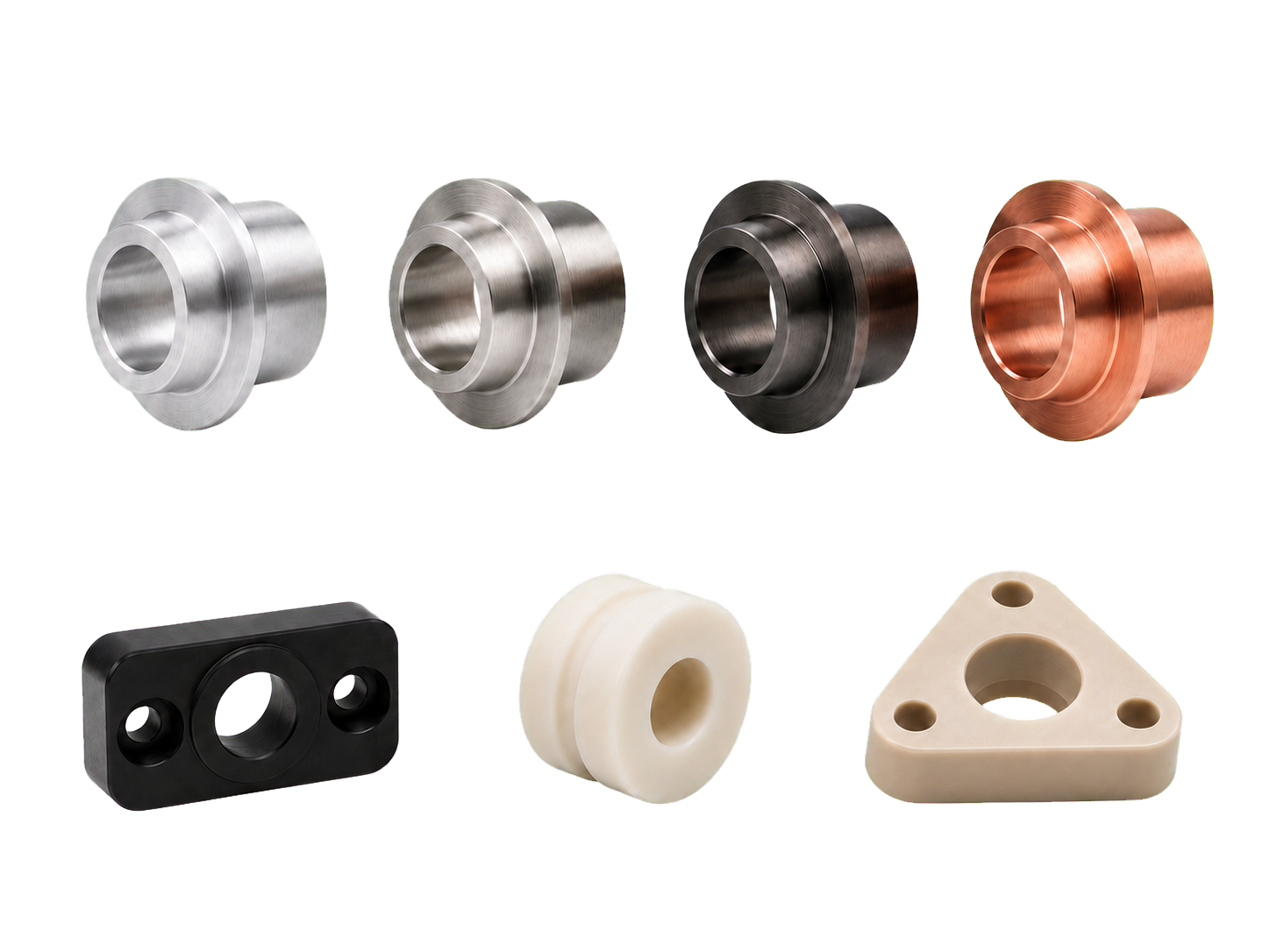
Common Materials
Below are examples of metals and plastics commonly specified in projects coordinated by Stepstone. Material grade, condition and availability are reviewed for each project.
Metals
Low weight, corrosion resistance and good machinability make aluminium. Typical applications include CNC-machined parts, sheet metal components, housings, brackets and structural elements.
The required alloy, temper, standard and surface treatment should be defined in the project documentation. Finishing options may include anodizing, powder coating, polishing or other project-specific processes.
Stainless steel combines corrosion resistance with mechanical strength. Typical applications include CNC-machined parts, sheet metal components, housings, brackets, shafts and welded assemblies.
The required grade, condition, surface finish and any passivation requirements should be stated in the project documentation. Finishing options may include brushing, polishing, grinding, passivation or bead blasting.
Where higher strength, wear resistance or heat-treatment response is required. Typical applications include gears, shafts, machine components, tooling, fixtures and other load-bearing parts.
The required grade, delivery condition, hardness and heat treatment should be defined in the project documentation. Secondary operations may include hardening, quenching and tempering, case hardening, nitriding, grinding or protective coating.
Mild steel offers a practical balance of machinability, formability, weldability and cost. Typical applications include machined parts, brackets, plates, frames, enclosures and welded assemblies.
The required grade, thickness, condition and applicable standard should be defined in the project documentation. Surface protection may include galvanizing, zinc plating, black oxide, powder coating or painting.
Brass combines excellent machinability with corrosion resistance and dimensional consistency. Typical applications include fittings, valves, bushings, connectors, threaded components and precision-machined parts.
The required grade, condition and any regulatory or surface-finish requirements should be defined in the project documentation. Finishing options may include polishing, brushing, nickel plating or other project-specific treatments.
High electrical and thermal conductivity defines the use of copper. Typical applications include busbars, electrodes, electrical connectors, heat-transfer components and other conductive parts.
The required grade, material condition, conductivity and surface-finish requirements should be defined in the project documentation. Machining and forming requirements vary according to the selected copper grade and component geometry.
Plastics
ABS offers a practical balance of impact resistance, rigidity and surface quality. It is used for moulded housings, covers, enclosures and functional components, and can also be CNC machined for prototypes or low-volume parts.
ABS grades vary in mechanical performance, heat resistance and processing characteristics. The required grade, colour, surface finish, flame rating and any applicable compliance requirements should be defined in the project documentation.
Low density, chemical resistance and good fatigue performance make polypropylene suitable for lightweight components, including parts exposed to repeated flexing. Typical applications include moulded covers, containers, fluid-handling components and living hinges.
PP grades vary in stiffness, impact resistance, temperature performance and UV stability. The required grade, colour, additives and compliance requirements should be defined in the project documentation.
HDPE combines toughness, chemical resistance and low moisture absorption. It is used for moulded or machined components such as guides, wear strips, covers and fluid-handling parts.
HDPE grades differ in density, stiffness, impact performance and resistance to environmental stress cracking. The required grade, colour, UV stabilisation and any compliance requirements should be defined in the project documentation.
PA6 combines strength, toughness and wear resistance, making it suitable for mechanical components exposed to friction or repeated movement. Typical applications include gears, bushings, guides, rollers and moulded structural parts.
PA6 grades vary in stiffness, impact performance, heat resistance and reinforcement content. The required grade, colour, reinforcement and conditioning requirements should be defined in the project documentation, particularly where moisture absorption may affect dimensional stability.
Polycarbonate provides high impact resistance and is available in both transparent and opaque grades. It is used for protective covers, machine guards, housings, inspection windows and other components requiring strength and visibility.
PC grades vary in optical clarity, heat resistance, UV stability and flame-retardant performance. The required grade, colour, transparency, surface finish and any applicable compliance requirements should be defined in the project documentation.
POM combines low friction, wear resistance and dimensional stability, making it suitable for precision mechanical components. Typical applications include gears, bushings, rollers, guides, valve components and other moving parts.
POM is available in homopolymer and copolymer grades, with differences in strength, chemical resistance and thermal performance. The required grade, colour, dimensional tolerances and any applicable compliance requirements should be defined in the project documentation.
PEEK retains mechanical strength at elevated temperatures and offers strong resistance to chemicals and wear. It is used for demanding components such as bushings, seals, insulators, valve parts and structural components exposed to heat or aggressive media.
PEEK grades vary in reinforcement, mechanical performance, wear behaviour and temperature capability. The required grade, reinforcement, operating conditions, traceability and any applicable compliance requirements should be defined in the project documentation.
Material Requirements for Your Project
Clear material requirements provide a consistent technical basis for evaluating manufacturability and preparing a quotation. Project documentation should identify the specifications relevant to the component and its operating conditions.
Stepstone reviews the specified requirements against the selected manufacturing process and available production sources.
Material Specification
Material designation, grade, applicable standard, condition and colour where relevant.
Part Requirements
Dimensions, tolerances, surface finish and any visual or functional requirements.
Operating Conditions
Mechanical loads, temperature, chemical exposure, wear and environmental conditions.
Documentation
Material certificates, inspection records, traceability and applicable regulatory requirements.
Discuss Your Project Requirements
Share your drawings and project requirements to begin a technical review. Stepstone evaluates suitable manufacturing routes and coordinates quotation, quality and delivery requirements.
One Partner. Full Technical Accountability.
Injection Moulding
CNC Milling Services
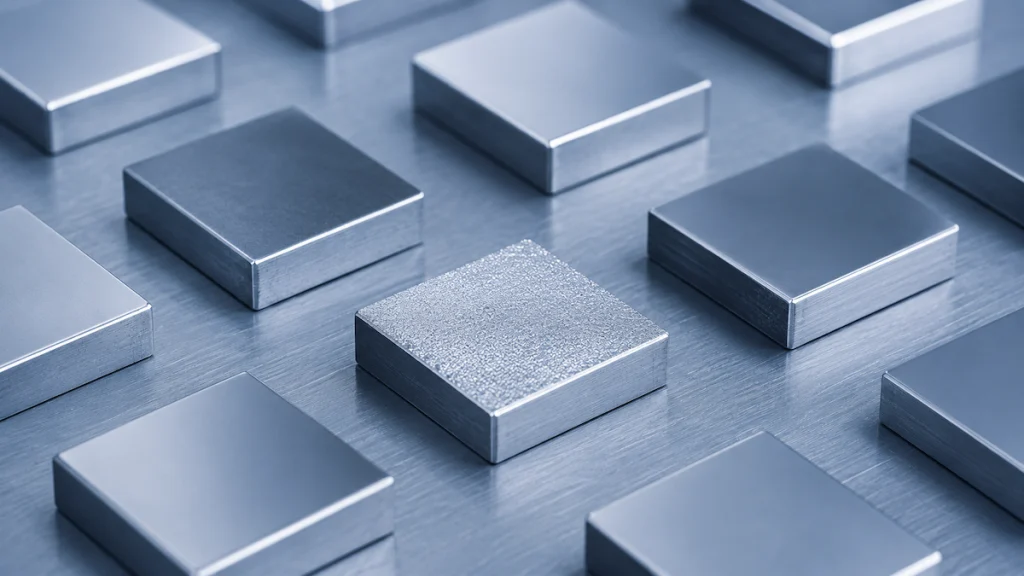
Surface Treatments
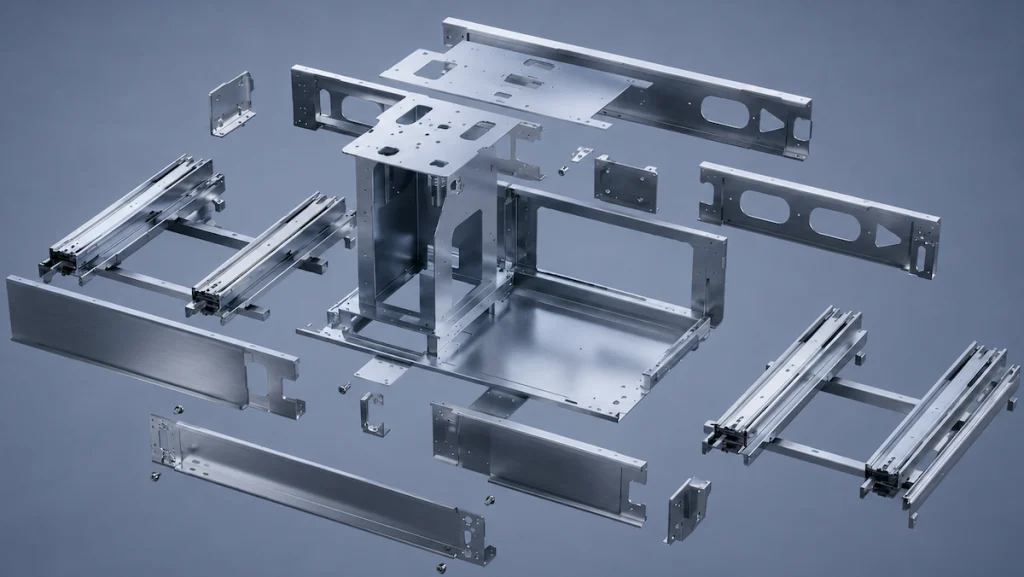
Sheet Metal Assemblies
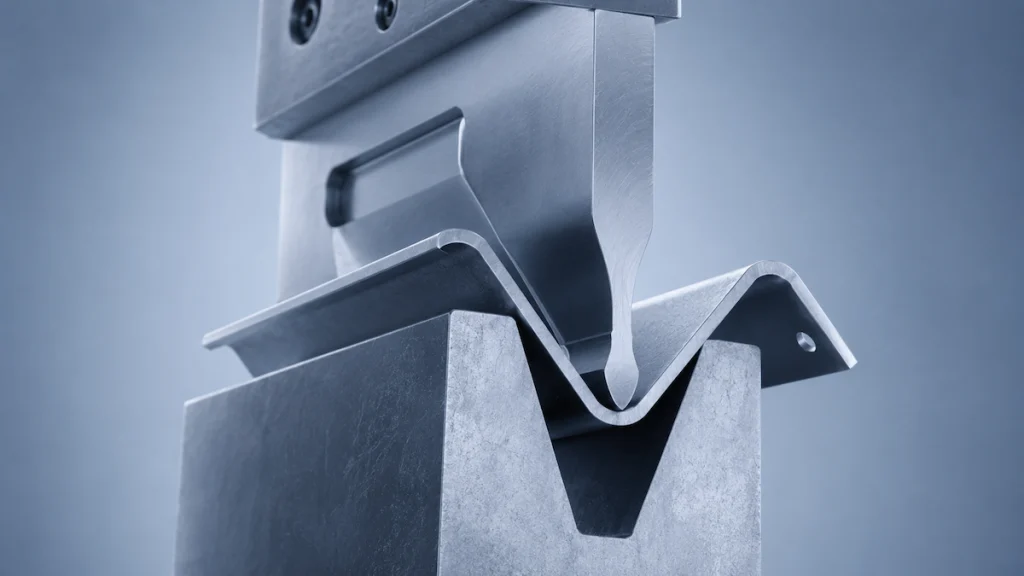
Bending Services