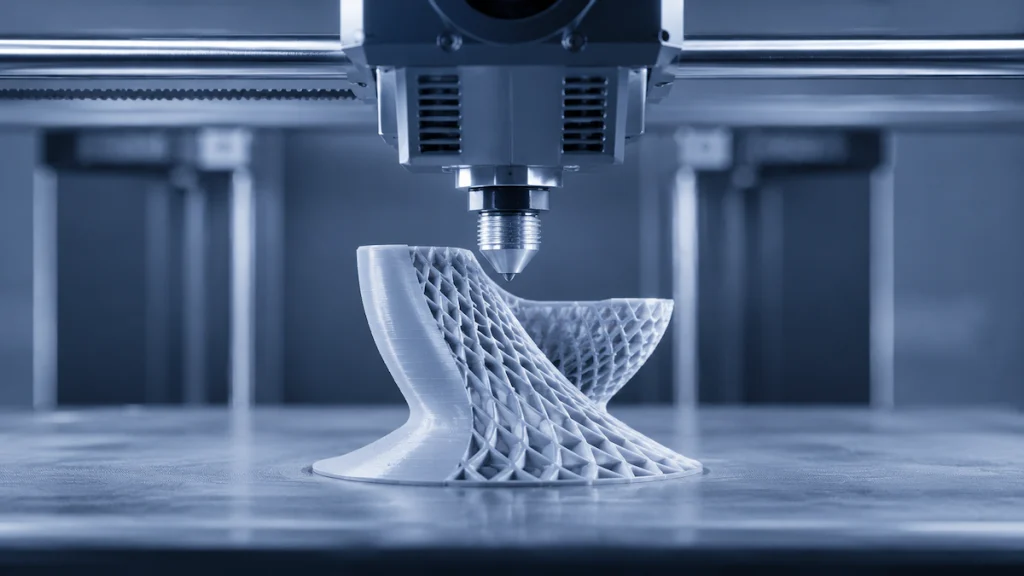
Injecton Moulding
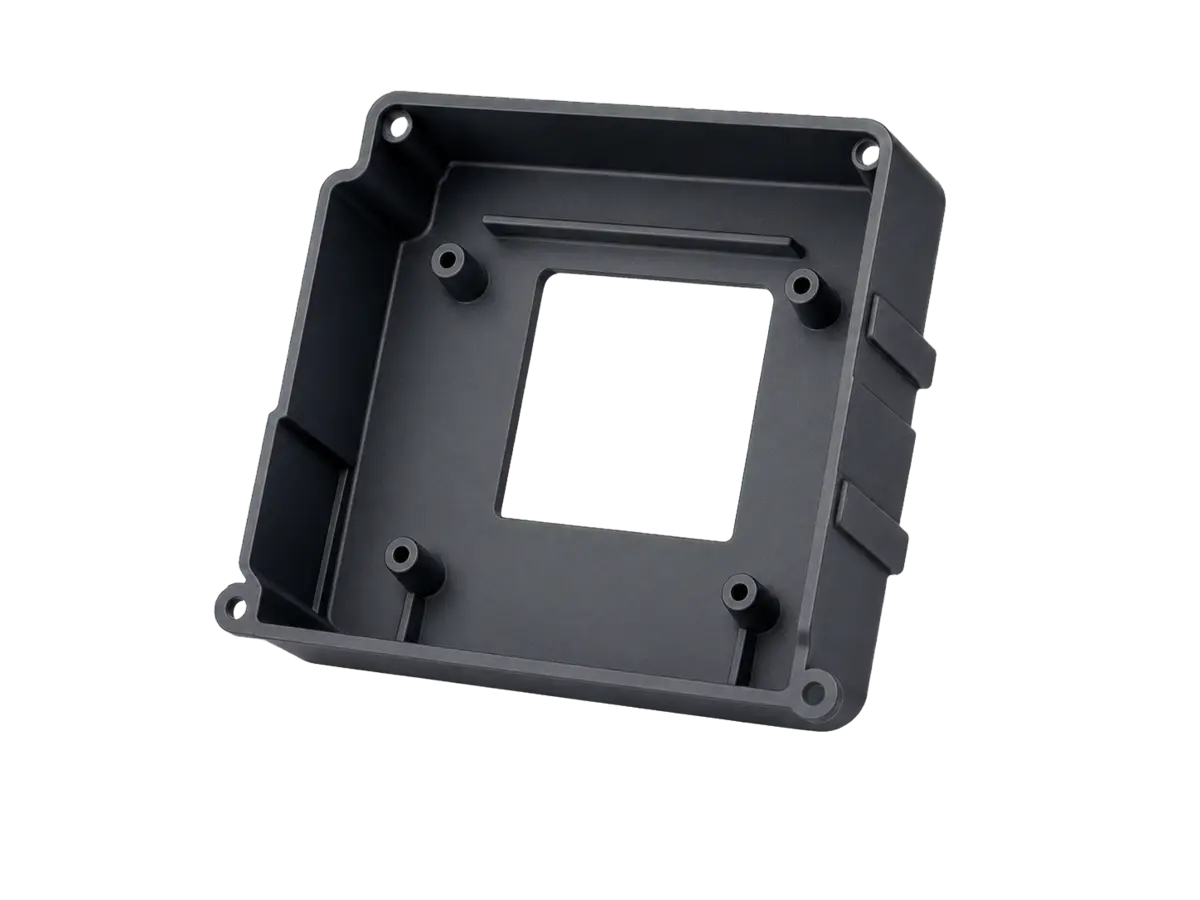
Injection Moulding for Industrial Components
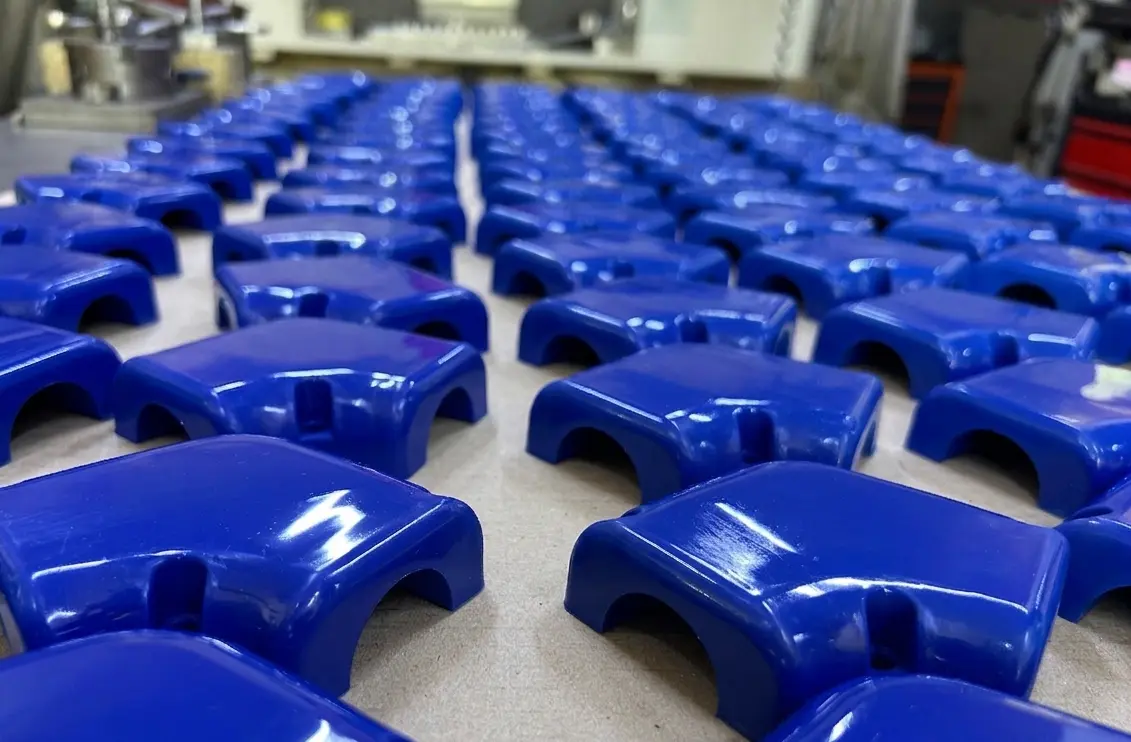
Injection moulding is used to manufacture repeatable plastic components with complex geometries, integrated features and consistent surface quality. Typical applications include housings, covers, clips, connectors, brackets and other functional components produced in recurring volumes.
Stepstone coordinates part and mould review, tooling, material, sampling, production and inspection requirements. Projects may involve new mould development or production using an existing customer-owned mould, subject to technical review and mould condition.
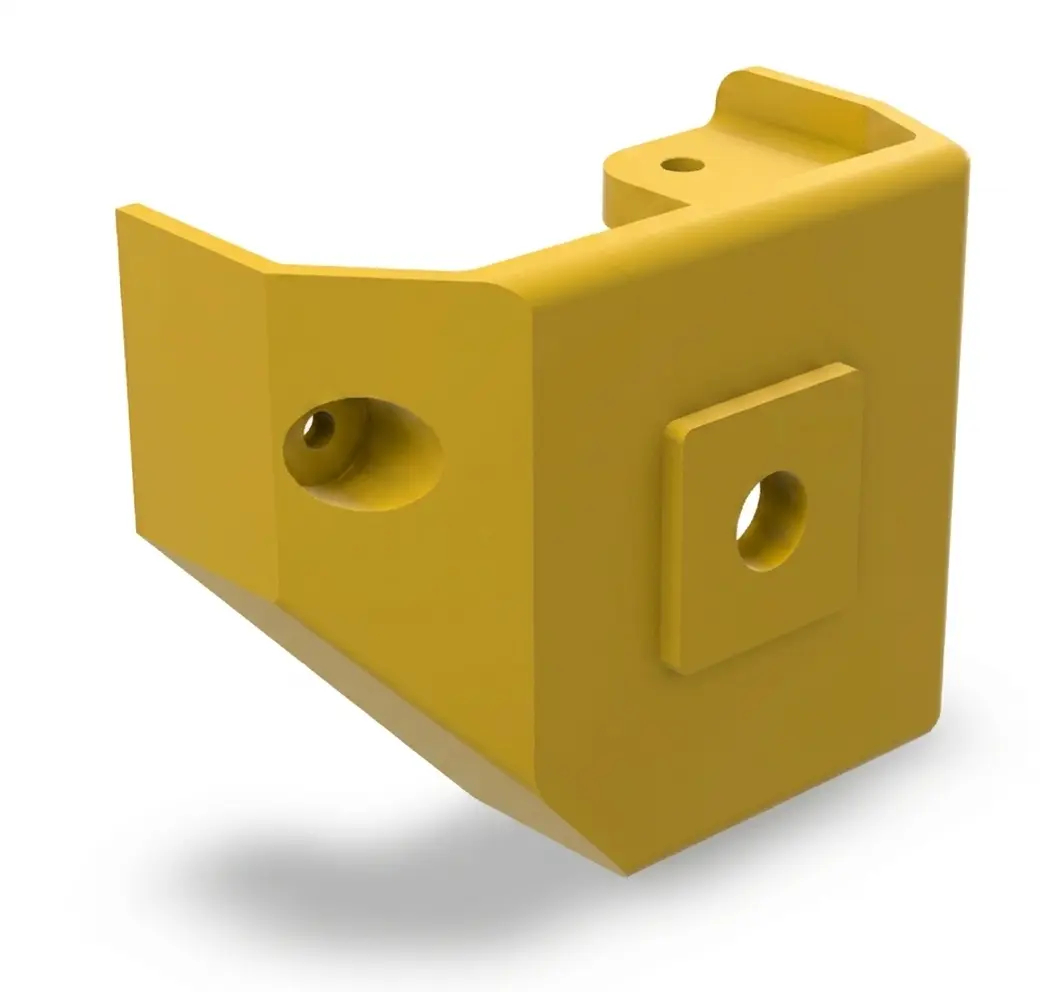
Typical Injection-Moulded Parts
The examples listed represent common injection-moulded parts produced that Stepstone offers. Material selection, mould design, tolerances, cosmetic requirements, and inspection scope are defined based on project documentation and production volumes.
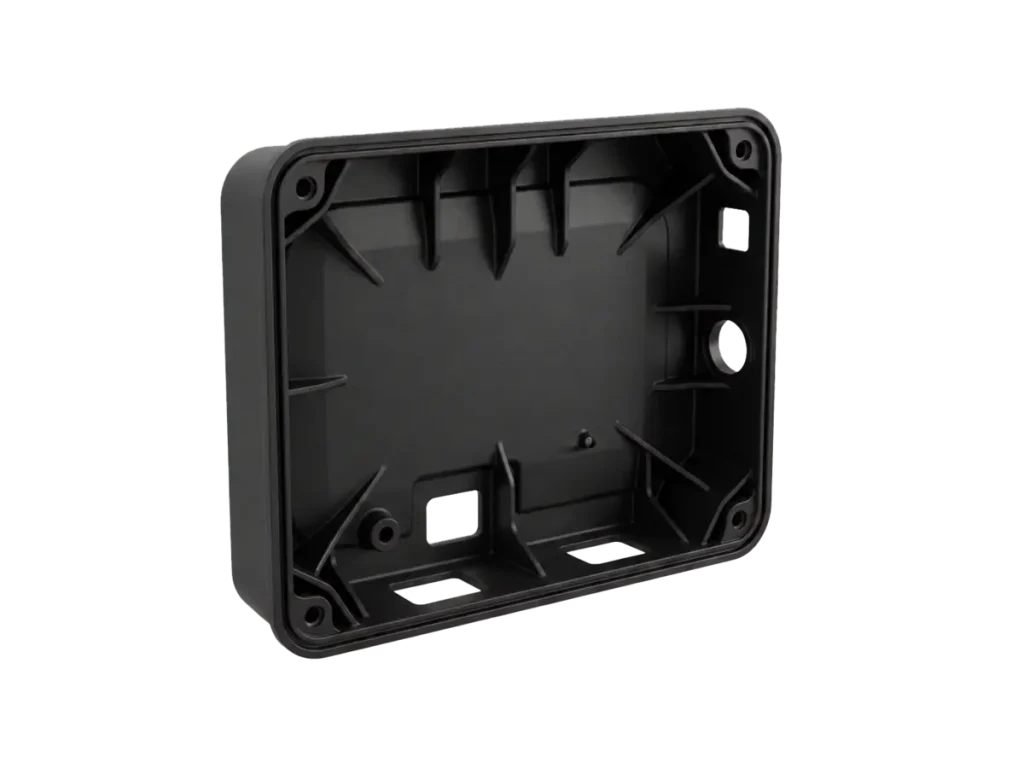
- Housings And Enclosures
- Covers, Caps And Lids
- Clips And Fastening Components
- Connectors And Technical Fittings
- Gears, Bushings And Rollers
Materials and Production Options
Material, tooling and production requirements are reviewed together because resin behaviour, part geometry, surface requirements and volume affect mould design and process setup. Stepstone coordinates the specified material, mould development or existing mould review, sampling and production through its manufacturing network.
Common Materials for Injection Moulding
ABS combines impact resistance, rigidity and good surface quality, making it suitable for housings, covers, enclosures and other functional parts. Project documentation should define the required grade, colour, surface texture, flame rating and any applicable compliance requirements.
Low density, chemical resistance and good fatigue performance make polypropylene suitable for lightweight parts, including components with integral hinges or repeated flexing. Grade, colour, additives, UV stability and compliance requirements should be specified according to the application.
HDPE provides toughness, chemical resistance and low moisture absorption for containers, protective covers and fluid-handling components. Requirements such as grade, colour, UV stabilisation and applicable food-contact or regulatory compliance should be stated where relevant.
PA6 offers strength, toughness and wear resistance for gears, guides, housings and load-bearing components. Because moisture absorption can influence dimensions and mechanical properties, reinforcement, conditioning and tolerance requirements should be established in the project documentation.
POM combines stiffness, low friction and dimensional stability for gears, bushings, clips, rollers and sliding components. The specified grade should reflect wear, friction, dimensional and operating-temperature requirements.
Polycarbonate provides high impact resistance, dimensional stability and transparent grade options for protective covers, housings, lenses and technical components. Optical quality, colour, UV stability, flame rating and surface requirements should be documented when applicable.
PEEK is used for specialised moulded components requiring high-temperature performance, chemical resistance and mechanical stability. Grade, reinforcement, operating conditions and inspection requirements should be defined before tooling and process planning.
Tooling and Post-Moulding Operations
Tooling and Mould Preparation
New mould projects are reviewed for part geometry, cavity layout, mould material, gate and ejector arrangement, cooling requirements and expected production volume. Tooling scope and sample approval stages should be defined before production.
Customer-owned moulds can be considered for production subject to a technical assessment of mould condition, machine compatibility, available documentation and any repair or modification requirements.
Mould trials are used to review filling, ejection, dimensional results, surface quality and process stability before repeat production. Approval requirements and sample quantities should be agreed in advance.
Polished, textured or defined mould surfaces can be coordinated according to the cosmetic and functional requirements of the part. Texture references, gloss level and controlled appearance areas should be identified in the project documentation.
Finishing and Secondary Operations
Nickel, chrome or copper finishes can be coordinated for compatible, plateable plastics such as selected ABS and ABS/PC grades. Substrate suitability, appearance, adhesion and testing requirements should be defined in the project documentation.
Painting and coating can be coordinated for compatible moulded plastics where specified colour, gloss, texture, UV resistance or functional surface performance is required. The coating system, colour reference, controlled surfaces and adhesion or durability requirements should be defined in the project documentation.
Laser marking, pad printing or other marking methods can be reviewed for identification, instructions or branding. Artwork, colour, location and durability requirements should be supplied with the project documentation.
Moulded parts can be coordinated with assembly operations involving fasteners, mating components or other separately produced parts. Assembly method, supplied components and inspection requirements should be defined before quotation.
Quality and Inspection Coordination
Stepstone coordinates injection moulding projects from technical review and tooling through sampling, production follow-up and shipment. Inspection and documentation requirements are aligned with the specified material, approved samples and acceptance criteria agreed for each project.
Pre-Production Quality Review
- Technical drawings, 3D data and revision status
- Material grade, colour, additives and certification requirements
- Critical dimensions, tolerances and cosmetic surfaces
- Sampling, inspection scope and acceptance criteria
Project and Manufacturing Coordination
- Mould trial and sample approval status
- Quotation and production follow-up
- Project-specific inspection and documentation requirements
- Shipment coordination through a single point of contact
A Smarter Approach To Manufacturing Projects
Broad Manufacturing Expertise
Through a carefully selected network of manufacturing specialists, we deliver the capabilities needed for complex industrial projects—from individual components to fully integrated production solutions.
One Partner For Every Manufacturing Need
From engineering review and supplier selection to production, quality assurance, and logistics, we manage the entire manufacturing process through a single point of contact.
Built Around Reliability
Every project is managed with a focus on quality, transparency, and delivery performance. From the first inquiry to final shipment, we take responsibility for keeping production under control.
What To Include In Your RFQ
To evaluate your injection moulding project efficiently, please provide the available technical, tooling and commercial information with your request. Complete documentation helps us review mould requirements, production planning, inspection scope and project timing more accurately.
Technical Drawings And 3D Models
Provide available 2D drawings and 3D CAD files with dimensions, tolerances and revision status. Clearly identified part geometry supports mould and manufacturability review.
Material And Colour Requirements
Specify the required polymer type, grade, colour reference, additives and any flame, UV, food-contact or other compliance requirements. Equivalent materials should be considered only where technically acceptable and approved.
Quantities And Delivery Schedule
Include initial sample quantities, order quantities, annual demand and target delivery dates. Volume information influences cavity count, mould construction, production planning and quotation scope.
Part And Surface Requirements
Identify critical dimensions, functional interfaces, cosmetic surfaces, texture, gloss and permitted visual limits. Include any plating, painting, printing or assembly requirements.
Tooling Status And Requirements
Indicate whether a new mould is required or an existing customer-owned mould will be used. For existing tooling, provide drawings, dimensions, cavity count, machine interface details and condition records.
Quality And Sample Approval Requirements
Define sample approval, inspection reports, material certificates, traceability, capability studies or other acceptance criteria. These requirements should be agreed before mould approval and production release.
Discuss Your Injection Moulding Project
Share your drawings, specified material, tooling status and production requirements to begin a technical review. Stepstone evaluates suitable moulding and tooling routes and coordinates quotation, sampling, production, inspection and delivery.
One Partner. Full Technical Accountability.
CNC Milling Services
CNC Turning Services
Surface Treatments
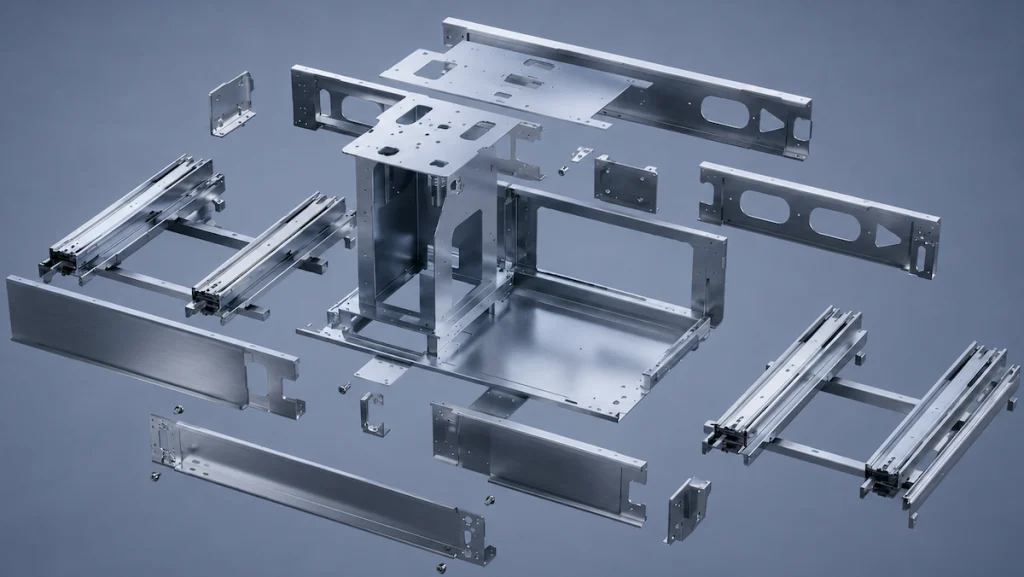
Sheet Metal Assemblies
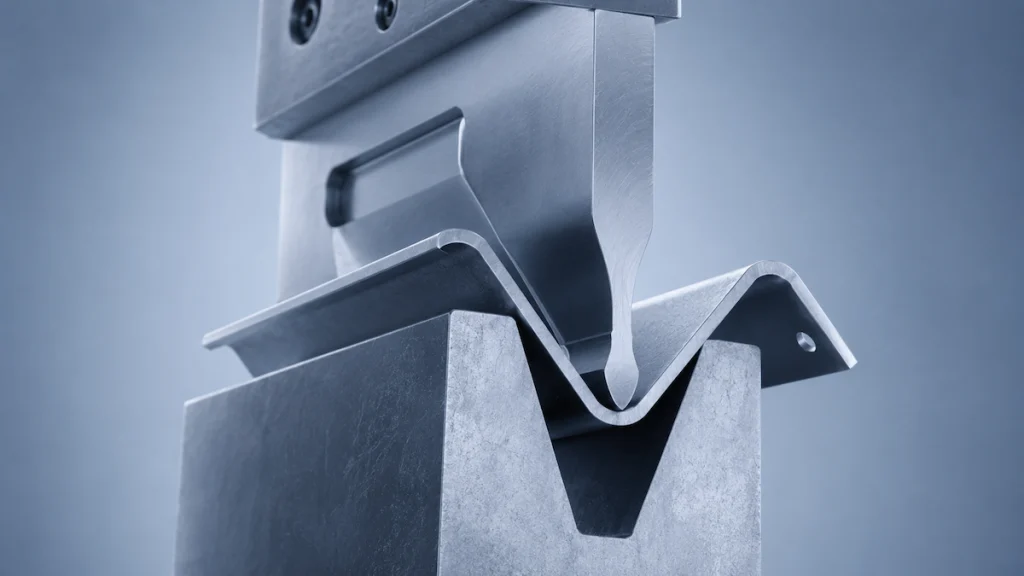
Bending Services