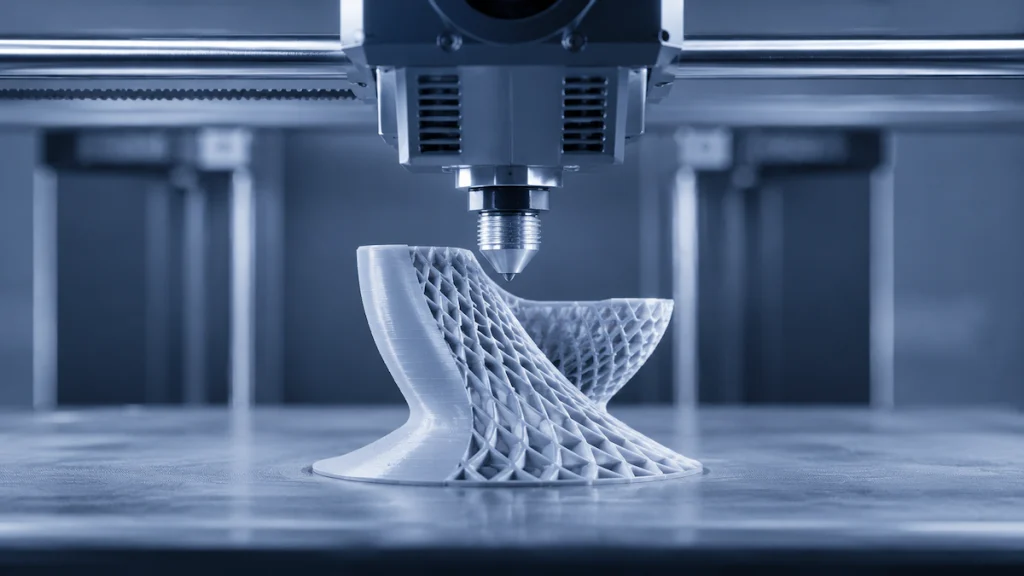
CNC Milling Services
Precision CNC Milling for Industrial Components
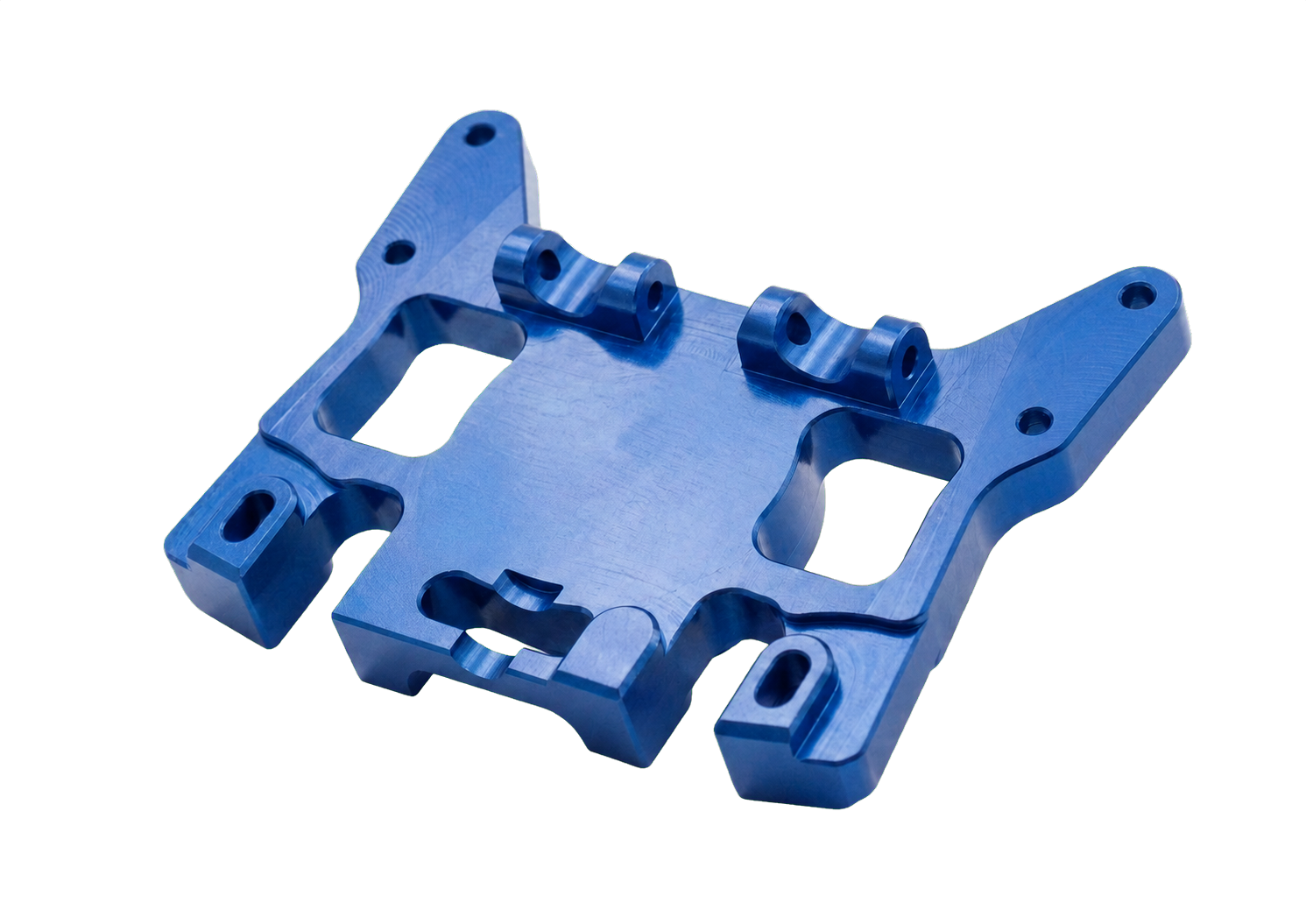
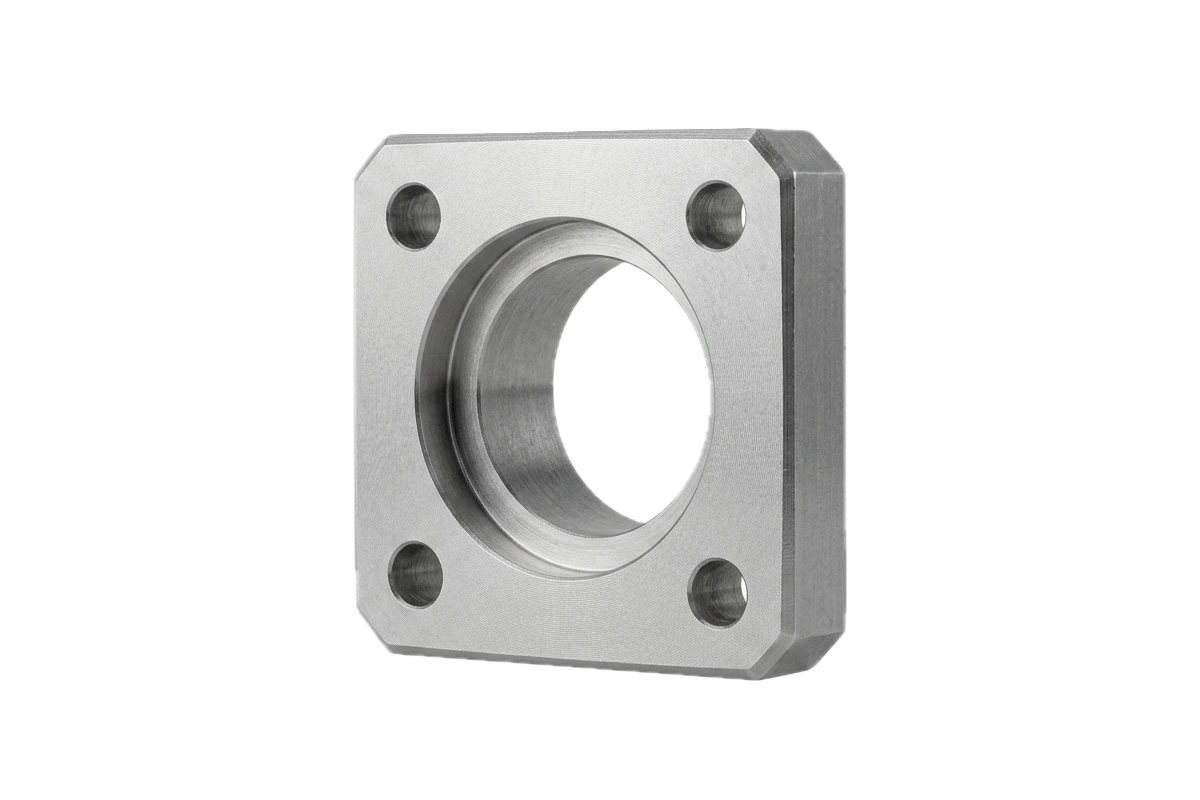
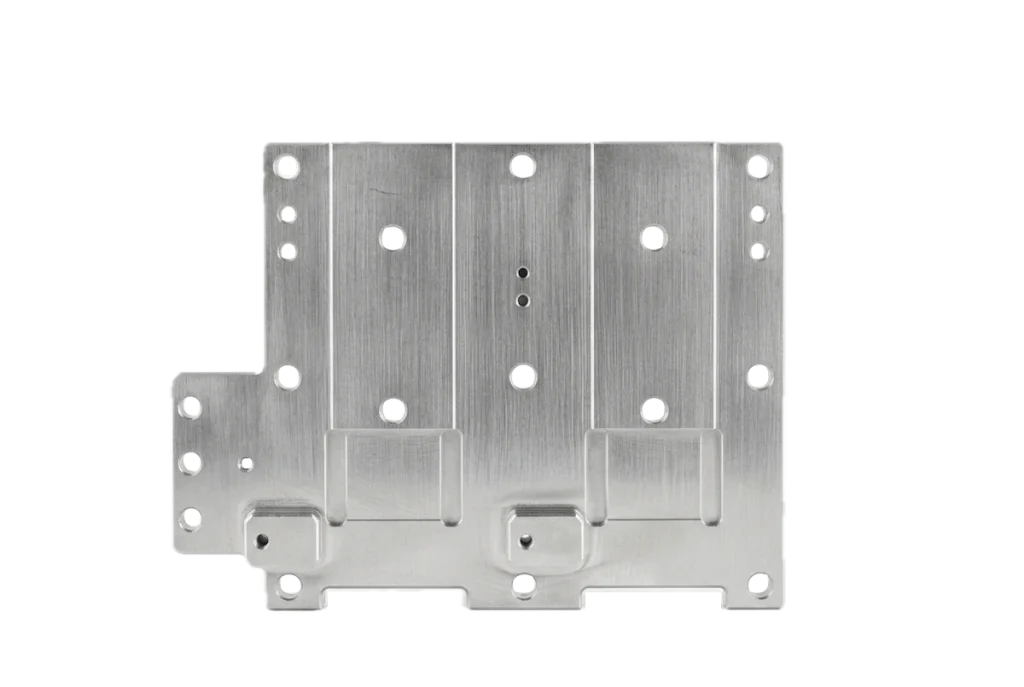
CNC milling services are used to manufacture components with flat surfaces, pockets, slots, holes, threads, contours and complex three-dimensional geometries. Typical applications include plates, brackets, housings, machine components, fixtures and tooling parts produced from metals and engineering plastics.
Stepstone coordinates each project through a carefully selected manufacturing network, matching part geometry, material, tolerance, production volume and inspection requirements with suitable milling capabilities. From prototypes and replacement parts to recurring production batches, we manage supplier selection, quotation, production follow-up, agreed quality controls and shipment through a single point of contact.
Typical CNC Milled Components
The examples listed represent common CNC-milled component groups that Stepstone can coordinate through its manufacturing network. Final process selection, tolerances and inspection requirements are evaluated against each project’s technical documentation.
- Plates and Baseplates
- Housings and Machine Bodies
- Brackets and Mounting Components
- Jigs, Fixtures and Tooling
- Complex Contoured Components
Materials and Finishing Options
Material and finishing requirements are reviewed against component function, operating conditions and project documentation. Stepstone coordinates suitable CNC milling resources through its manufacturing network and aligns material, process and inspection requirements with the selected production route.
Common Materials for CNC Milling
Aluminium alloys are commonly selected for CNC-milled components that require low weight, good machinability and corrosion resistance. The appropriate alloy and temper are evaluated against the component’s mechanical, dimensional and finishing requirements.
Stainless steels can support CNC-milled components requiring corrosion resistance, mechanical strength and durable surface performance. Grade selection depends on the operating environment, machining requirements and applicable project specifications.
Alloy steels are used where higher strength, wear resistance or heat-treatment response is required. Material grade and post-machining treatment are coordinated according to the component’s functional and dimensional requirements.
Mild steels provide a practical option for many general-purpose milled components. They offer good machinability and can be combined with suitable protective finishes where corrosion resistance is required.
Engineering plastics can be considered for lightweight, electrically insulating, low-friction or corrosion-resistant milled components. Material selection must account for temperature, moisture absorption, dimensional stability and operating loads.
Brass offers good machinability, corrosion resistance and dimensional consistency for selected precision-milled components. The appropriate grade is reviewed against mechanical and application requirements.
Copper and copper alloys may be used where electrical or thermal conductivity is important. Machining behaviour, material condition and surface requirements are evaluated for each component and production route.
Finishing and Secondary Operations
- Hardening
- Quenching and Tempering
- Case Hardening
- Nitriding
- Anodizing
- Galvanizing (Zinc Plating)
- Black Oxide
- Nickel Plating
- Passivating
- Zinc Coating
- Polishing
- Grinding
- Part Marking
- Sandblasting
Quality and Inspection Coordination
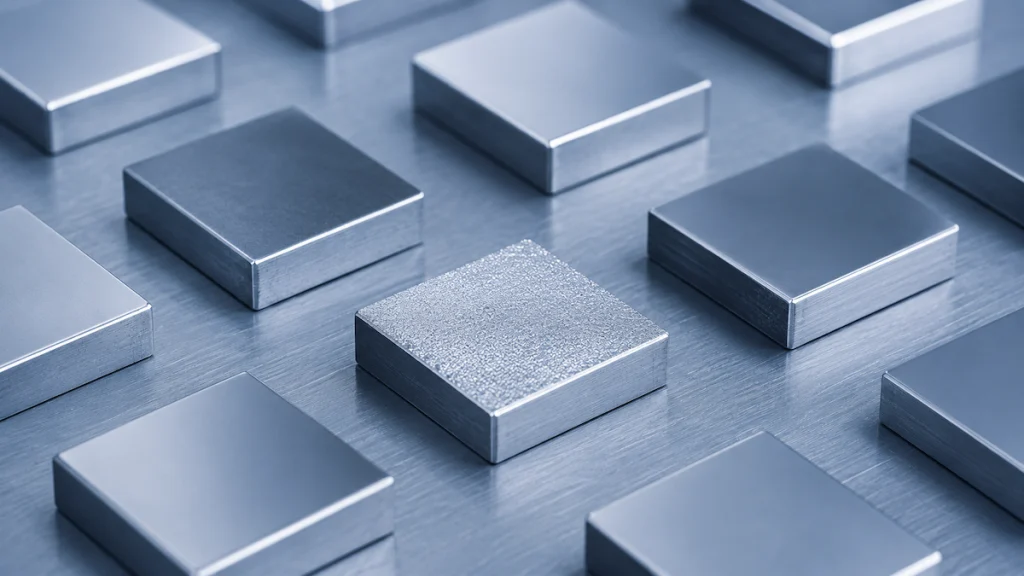
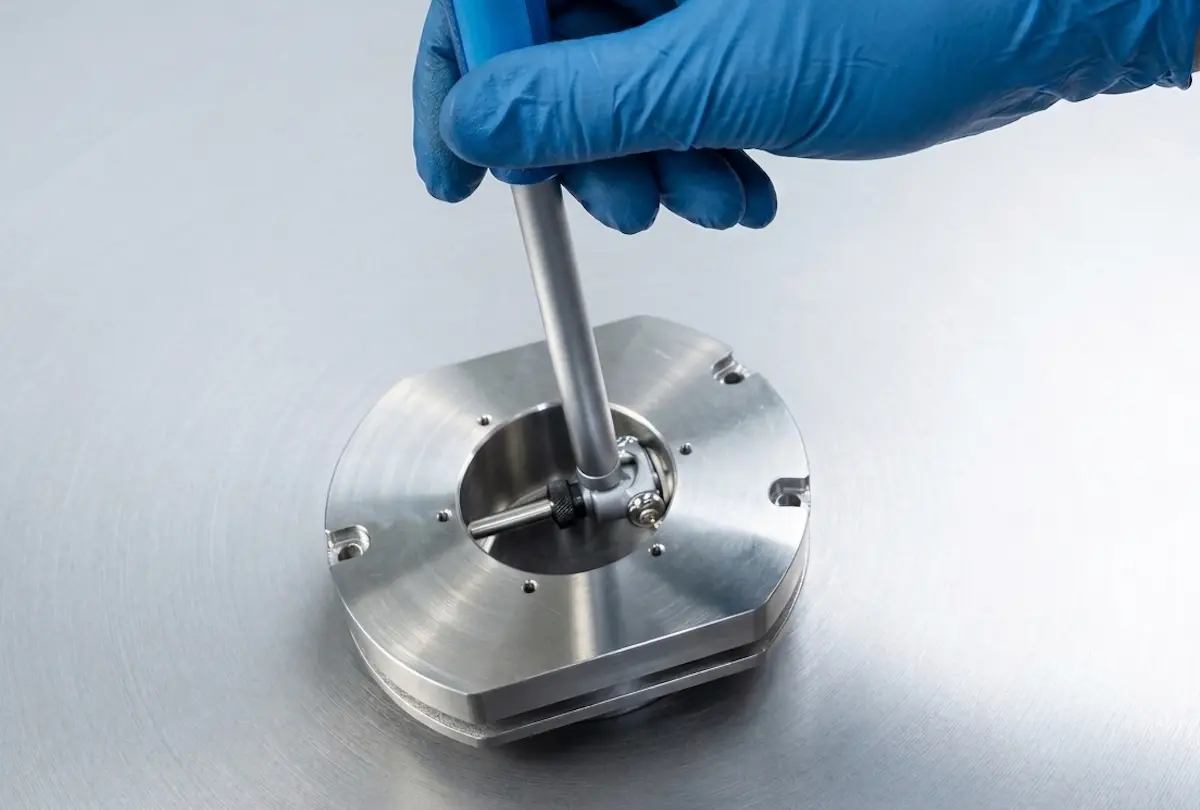
Stepstone coordinates CNC milling projects from the review of technical requirements through supplier selection, production follow-up and shipment. Quality and documentation requirements are aligned with the selected manufacturing route and the specifications agreed for each project.
Pre-Production Quality Review
- Technical drawings and revision status
- Critical dimensions and tolerance requirements
- Material, treatment and surface-finish specifications
- Inspection scope and acceptance criteria
Project and Manufacturing Coordination
- Selection of a suitable manufacturing source
- Quotation and production follow-up
- Project-specific inspection and documentation requirements
- Shipment coordination through a single point of contact
A Smarter Approach To Manufacturing Projects
Broad Manufacturing Expertise
Through a carefully selected network of manufacturing specialists, we deliver the capabilities needed for complex industrial projects—from individual components to fully integrated production solutions.
One Partner For Every Manufacturing Need
From engineering review and supplier selection to production, quality assurance, and logistics, we manage the entire manufacturing process through a single point of contact.
Built Around Reliability
Every project is managed with a focus on quality, transparency, and delivery performance. From the first inquiry to final shipment, we take responsibility for keeping production under control.
What To Include In Your RFQ
To evaluate your CNC milling project efficiently, please provide the available technical and commercial information with your request. Complete documentation helps us review suitable manufacturing routes, quotation requirements and project timing more accurately.
Technical Drawings And 3D Models
Share available 2D drawings and 3D CAD files, including dimensions, tolerances and revision status. This allows the project requirements and suitable manufacturing route to be reviewed accurately.
Material Requirements
Specify the required material grade, standard, condition and any certification needs. Equivalent material options can be evaluated only where technically acceptable and approved.
Quantities And Delivery Schedule
Include prototype, batch or annual volume requirements together with target delivery dates. This helps assess capacity options, production planning and quotation scope.
Tolerances And Critical Features
Identify critical dimensions, fits, threads, geometric tolerances and functional surfaces. Clear priorities support appropriate process selection and inspection planning.
Surface Finish And Secondary Operations
State required surface roughness, heat treatment, coating, plating, grinding or other secondary operations. These requirements are considered when coordinating the complete production route.
Quality Requirements
Specify the quality and inspection requirements for your project, including any critical checks or acceptance criteria. This helps align the quality plan with the component requirements.
Discuss Your CNC Milling Project
Share your drawings and project requirements to begin a technical review. Stepstone evaluates suitable manufacturing routes and coordinates quotation, quality and delivery requirements through its manufacturing network.
Sheet Metal Assemblies
Bending Services