Overmoulding

Stepstone coordinates overmoulding projects for components that combine a moulded substrate with a secondary material in a single finished part. Production and inspection are coordinated through a single point of contact.
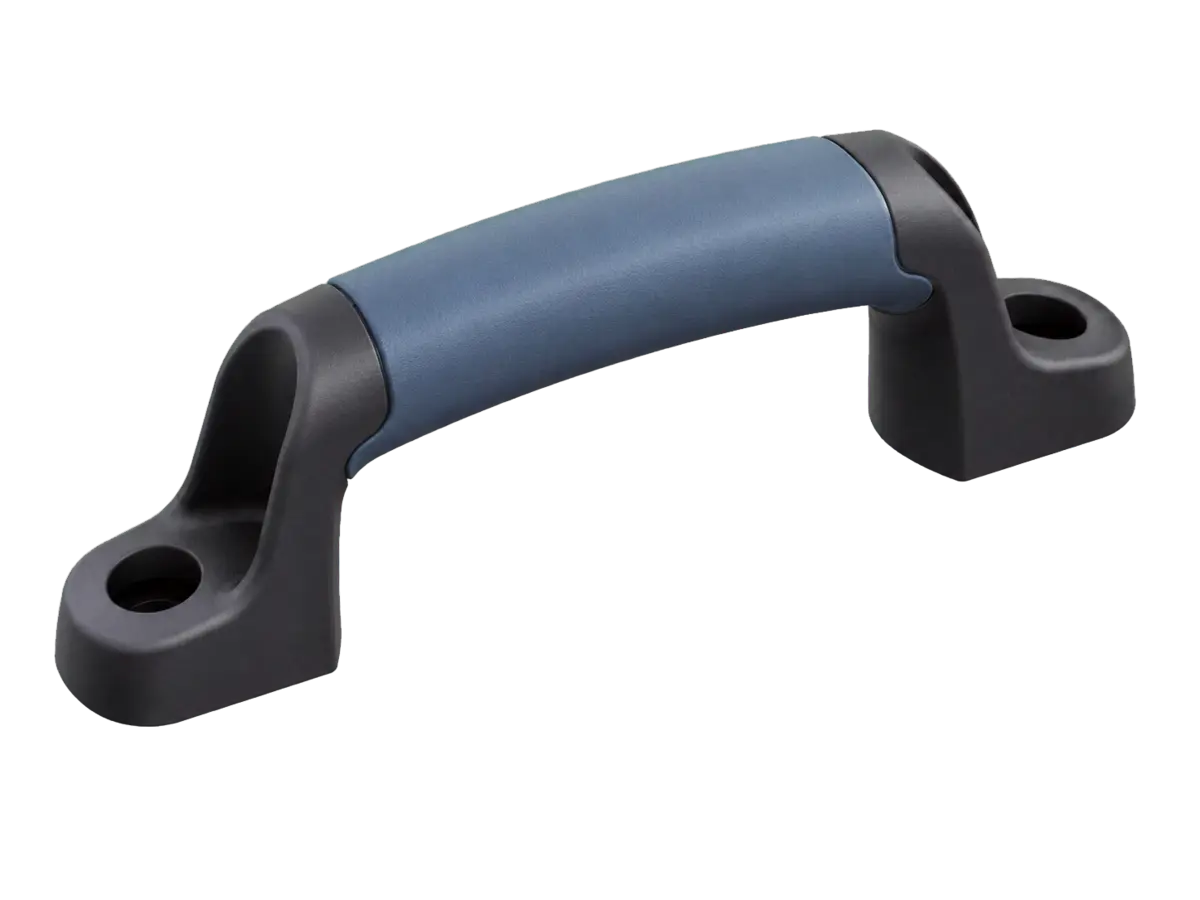
Industrial handle with a rigid PA6 core and TPE overmould

Overmoulding for Industrial Components

Overmoulding combines a moulded substrate with a secondary material to introduce grip, sealing, insulation, cushioning or surface protection in defined areas of a component. Typical applications include handles, housings, control components, connectors and sealed interfaces.

Stepstone coordinates material compatibility review, tooling, sampling, production and inspection through its manufacturing network. Bonding requirements are assessed against substrate geometry, mechanical interlocks, operating conditions and production volume.

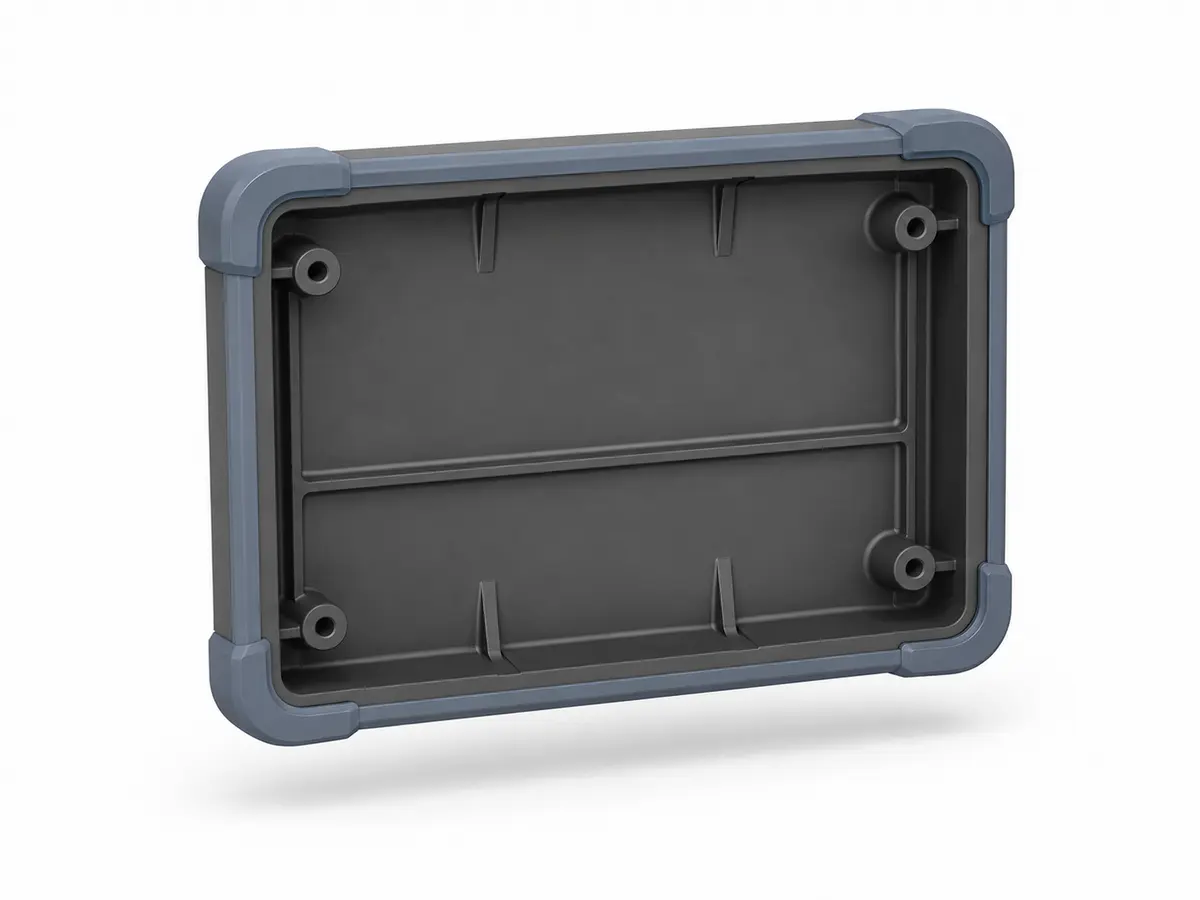
overmoulded protective cover 1200x900

Typical Overmoulded Parts

The examples listed represent common overmoulded components produced through Stepstone’s manufacturing network. Substrate and overmould material compatibility, bonding, part geometry, tooling and inspection requirements are defined based on project documentation and production volumes.

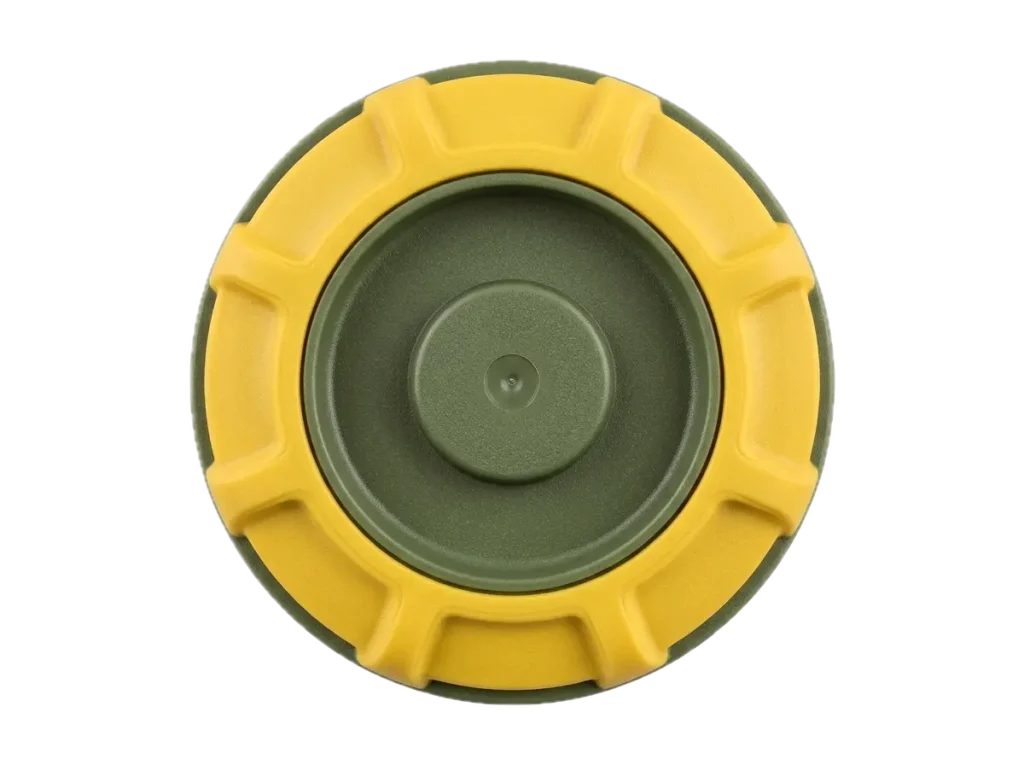
front view of an industrial control knob with a PA6 core and TPE overmould

Materials and Production Options

Substrate and overmould materials are reviewed together because compatibility, bonding requirements, part geometry and operating conditions affect tooling and process setup. Stepstone coordinates the specified material combination, tooling, sampling and production through its manufacturing network.

Common Material Combinations for Overmoulding

+PP + TPE / TPV

PP can be combined with adhesion-modified TPE or TPV for lightweight grips, seals and flexible surface zones. Because bonding varies by formulation, the substrate grade, overmould grade, hardness and any mechanical retention features should be reviewed together.

+ABS + TPE

ABS provides a rigid substrate for housings, grips and control components, while compatible TPE grades add local sealing, cushioning or tactile surfaces. Bonding performance depends on the specified grades, surface condition, wall geometry and moulding parameters.

+PC / PC-ABS + TPE

PC and PC-ABS substrates are used where impact resistance and dimensional stability are required, with selected TPE grades applied to grip, sealing or protective areas. Temperature compatibility, stress-cracking risk, material adhesion and cosmetic boundaries should be confirmed before tooling release.

+PA6 / PA66 + TPE

PA6 and PA66 provide strong substrates for handles and other load-bearing components. Compatible TPE grades can be applied to contact or sealing zones, but reinforcement content, moisture conditioning, processing temperature and bonding requirements must be considered.

+Metal + TPE / TPU

Metal substrates can be overmoulded with selected TPE or TPU grades to provide grip, sealing, insulation or impact protection. Depending on the metal, elastomer grade and functional loads, surface preparation, primer or adhesive systems, mechanical retention features and corrosion protection may need to be defined in the project documentation.

Tooling And Process Requirements

Tooling and Mould Preparation

+New Mould Development

For new tooling, the substrate and overmould stages are reviewed as one process. Tool layout, substrate transfer or loading, shut-off areas, gating, venting and cavity requirements are defined according to part geometry and production volume.

+Existing Mould Assessment

Existing customer-owned tooling is assessed to determine whether it can support the required substrate and overmould stages. Drawings, cavity count, machine interface details, part-handling method and condition records should identify whether the tooling covers the substrate, the overmould or both.

+Mould Trials and Sample Approval

Mould trials are used to verify material filling, substrate positioning, flash control, deformation, interface quality and bonding. Approved samples establish the reference for production and inspection.

+Mould Surface Finish and Texture

Surface finish and texture requirements should be defined for the relevant substrate and overmould areas. Tool surfaces, material behaviour and transition boundaries are reviewed against grip, sealing, visual and functional requirements.

Overmoulding Process Requirements

+Substrate and Overmould Interface

The interface defines the position, thickness and boundaries of the secondary material. Transition geometry should support material flow while maintaining the required grip, sealing or protective function.

+Shut-Off and Part Retention

The mould must locate the substrate consistently and seal around the overmould boundary. Shut-off surfaces and retention features are reviewed to control flash, movement and substrate deformation during moulding.

+Gate, Flow and Venting

Gate position, flow length, wall thickness and venting affect how the overmould material fills the cavity. These factors are reviewed to reduce incomplete filling, trapped air and visible flow defects.

+Mechanical Interlocks

Holes, channels, undercuts or other retention features can provide mechanical attachment where material adhesion alone is insufficient. Their use depends on the component geometry and operating loads.

Quality and Inspection Coordination

Stepstone coordinates overmoulding projects from the review of substrate and secondary material requirements through tooling, mould trials, production follow-up and shipment. Quality and documentation requirements are aligned with the agreed dimensional, bonding, interface and cosmetic criteria.

Pre-Production Quality Review

  • Technical drawings, 3D data and revision status
  • Substrate and overmould material specifications
  • Interface geometry, bonding and critical dimensional requirements
  • Sampling, inspection scope and acceptance criteria

Project and Manufacturing Coordination

  • Mould trial and sample approval status
  • Quotation and production follow-up
  • Project-specific inspection and documentation requirements
  • Shipment coordination through a single point of contact
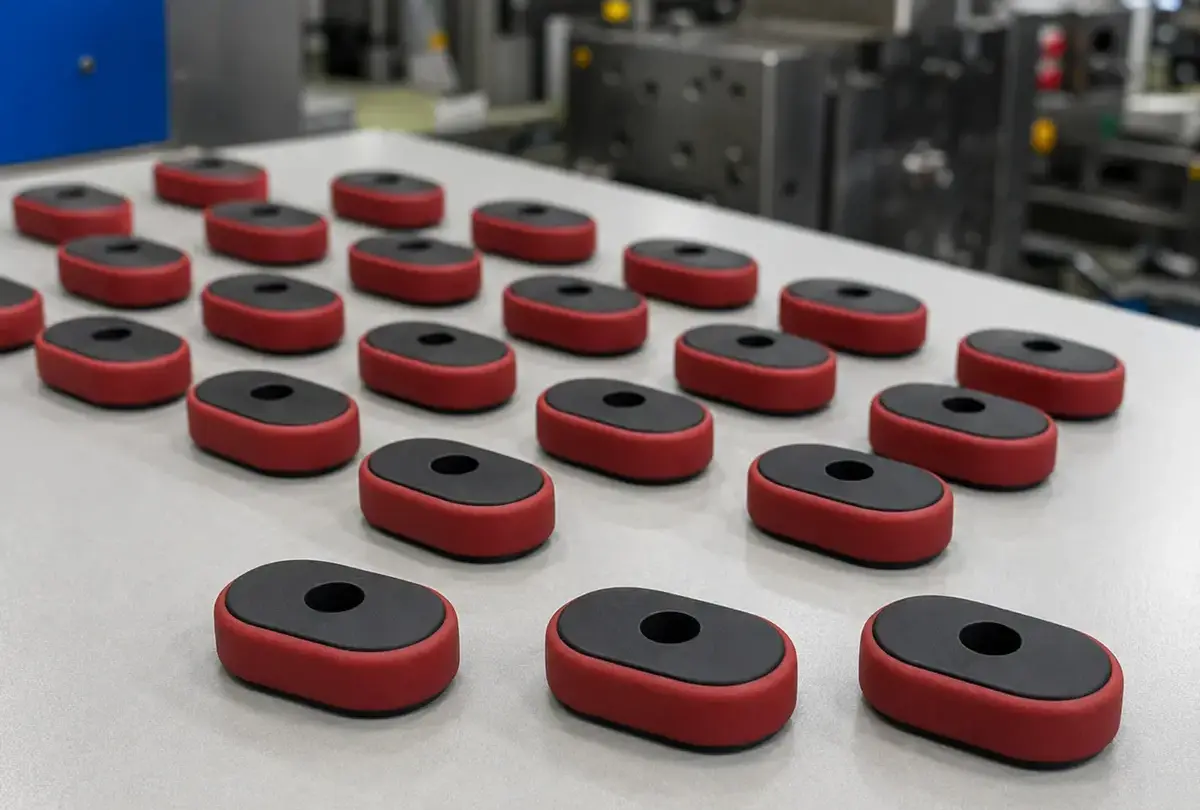
Red and black overmoulded industrial adjustment knobs arranged for inspection

A Smarter Approach To Manufacturing Projects

Broad Manufacturing Expertise

Through a carefully selected network of manufacturing specialists, we deliver the capabilities needed for complex industrial projects—from individual components to fully integrated production solutions.

One Partner For Every Manufacturing Need

From engineering review and supplier selection to production, quality assurance, and logistics, we manage the entire manufacturing process through a single point of contact.

Built Around Reliability

Every project is managed with a focus on quality, transparency, and delivery performance. From the first inquiry to final shipment, we take responsibility for keeping production under control.

What To Include In Your RFQ

To evaluate your overmoulding project efficiently, please provide the available technical and commercial information with your request. Clear documentation helps us review material compatibility, tooling requirements, quotation scope and project timing more accurately.

Technical Drawings And 3D Models

Share available 2D drawings and 3D CAD files for both the substrate and finished component, including overmould boundaries, dimensions, tolerances and revision status.

Material And Colour Requirements

Specify the substrate and overmould material grades, hardness, colours, bonding requirements and any applicable compliance requirements. Operating conditions should also be provided where they affect material selection.

Quantities And Delivery Schedule

Include initial sample quantities, order quantities, annual demand and target delivery dates. Volume information influences tooling strategy, production planning and quotation scope.

Part And Surface Requirements

Identify critical dimensions, overmould coverage and thickness, interface boundaries, sealing areas, surface finish, and visual requirements. Areas without overmould should be marked in the drawings.

Tooling Status And Requirements

Indicate whether a new mould is required or an existing customer-owned mould will be used. For existing tooling, provide drawings, dimensions, cavity count, machine interface details and condition records.

Quality And Sample Approval Requirements

Define sample approval, inspection reports, material certificates, traceability, capability studies or other acceptance criteria. These requirements should be agreed before mould approval and production release.

Discuss Your Overmoulding Project

Share your drawings, specified substrate and overmould materials, tooling information and production requirements to begin a technical review. Stepstone reviews the available documentation and coordinates quotation, mould trials, production, inspection and delivery.

One Partner. Full Technical Accountability.

Explore related manufacturing services that can be coordinated as part of your component or assembly requirements.
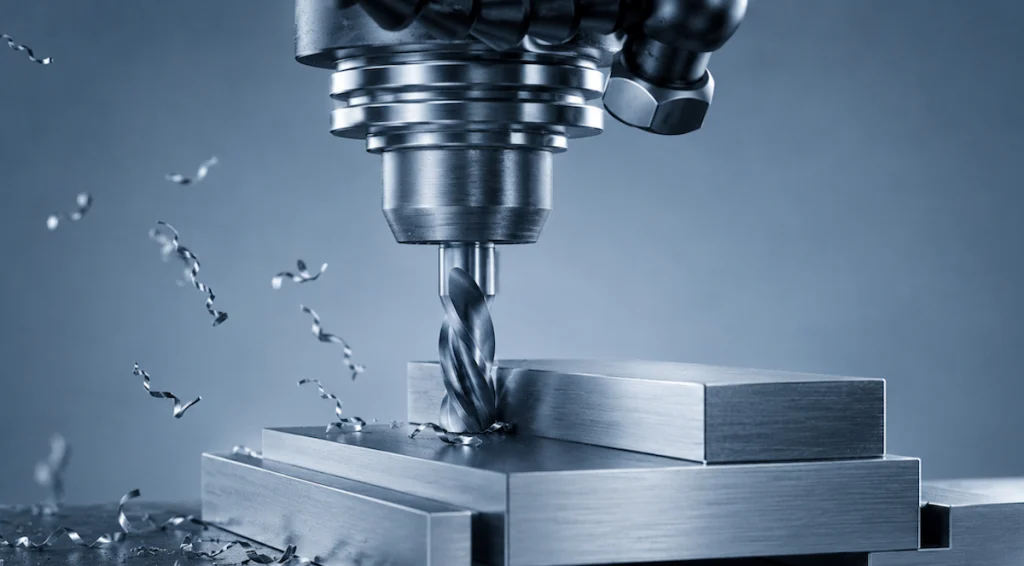
CNC milling process for custom metal components

CNC Milling Services

CNC Turning Services

Surface treatments for custom manufactured components

Surface Treatments

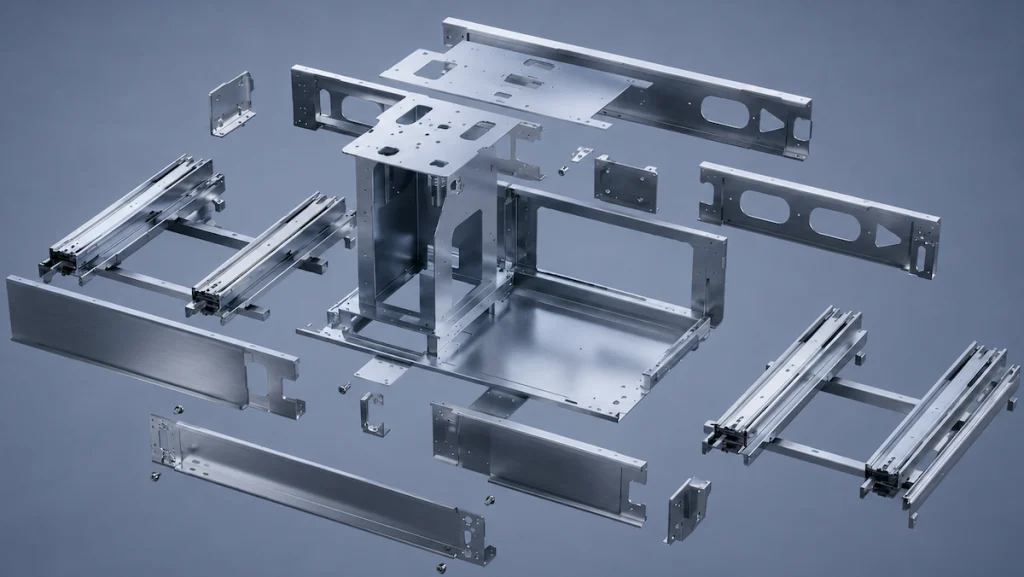
Fabricated and assembled sheet metal components

Sheet Metal Assemblies

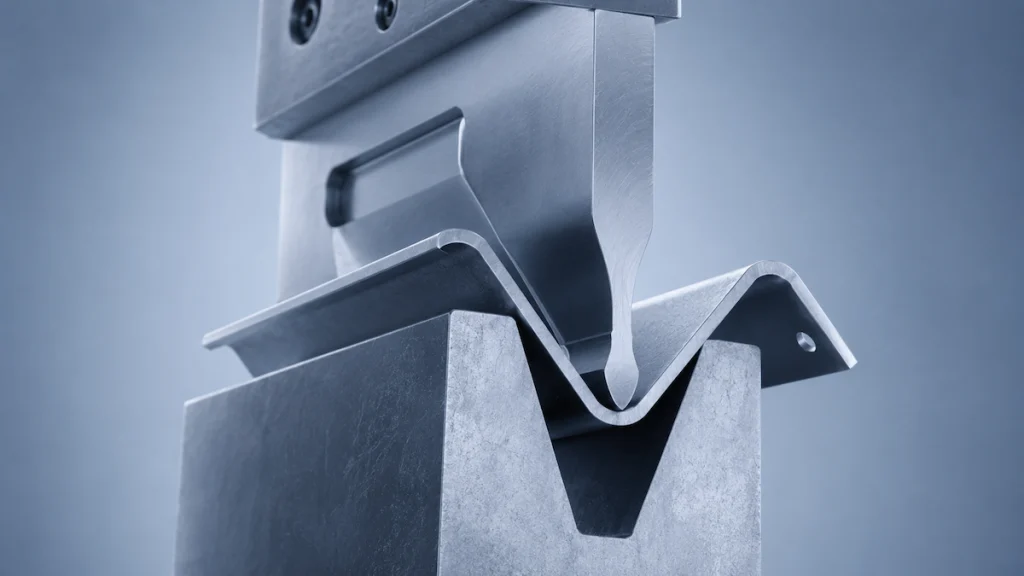
Sheet metal bending process for formed components

Bending Services

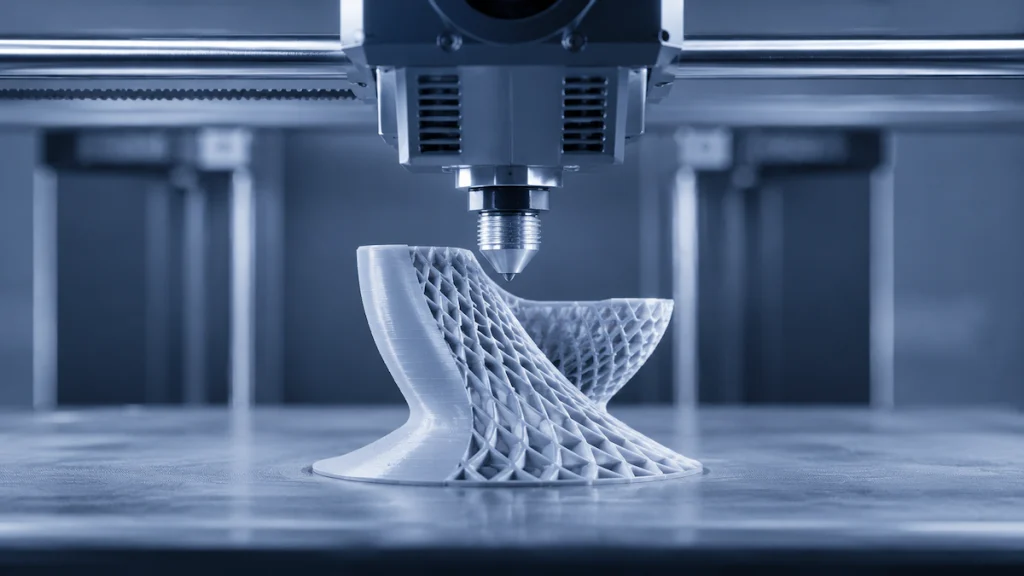
3D printing process for industrial prototype components

3D Printing