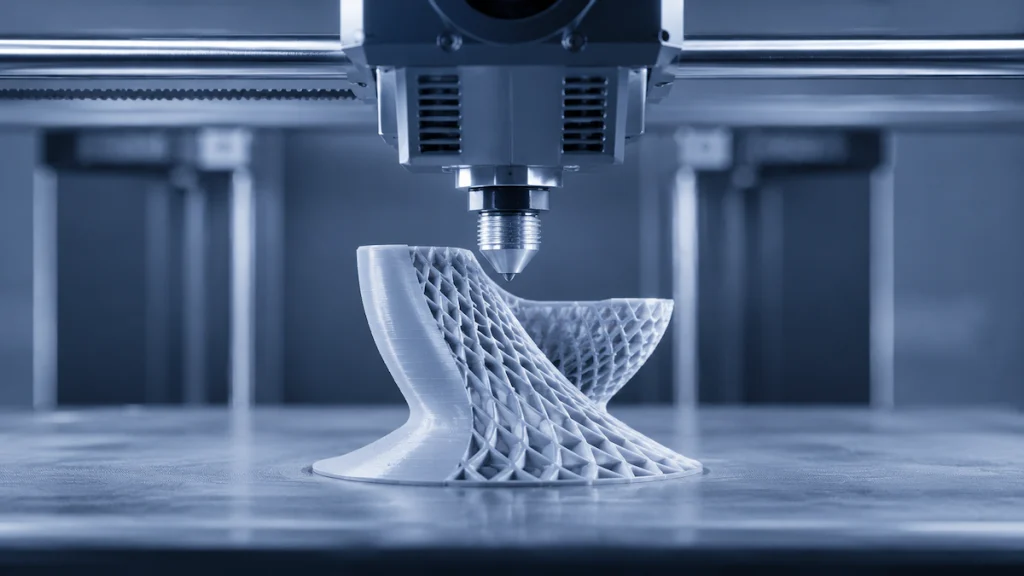
Rubber Moulding
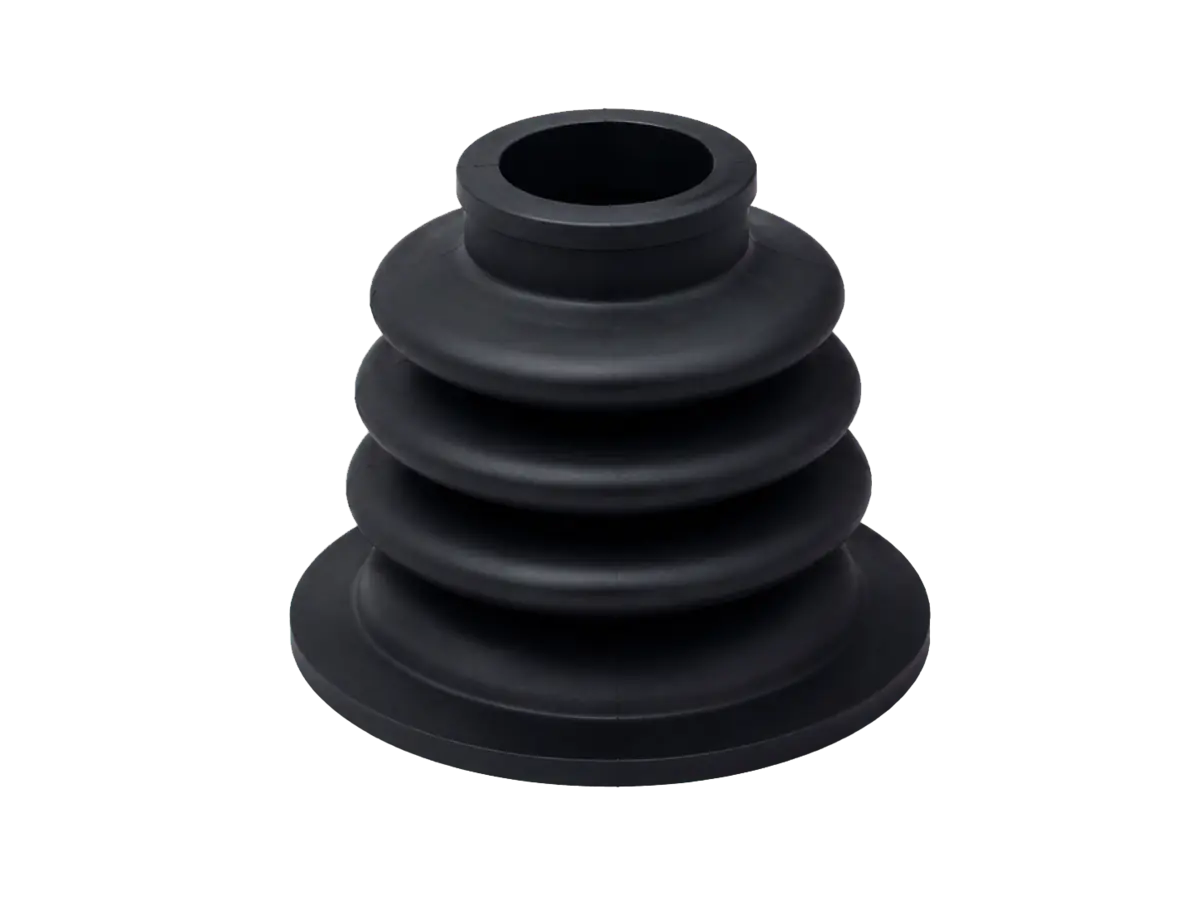
Rubber Moulding for Industrial Components
Rubber moulding is used to produce flexible components that provide sealing, vibration control, protection or controlled movement under defined operating conditions. Typical applications include seals, gaskets, diaphragms, bellows, boots, bushings and other custom elastomer components.
Stepstone coordinates part and tooling review, elastomer selection, mould development, sampling, production and inspection. Moulding method and material requirements are reviewed against part geometry, hardness, temperature, chemical exposure, tolerances and production volume.
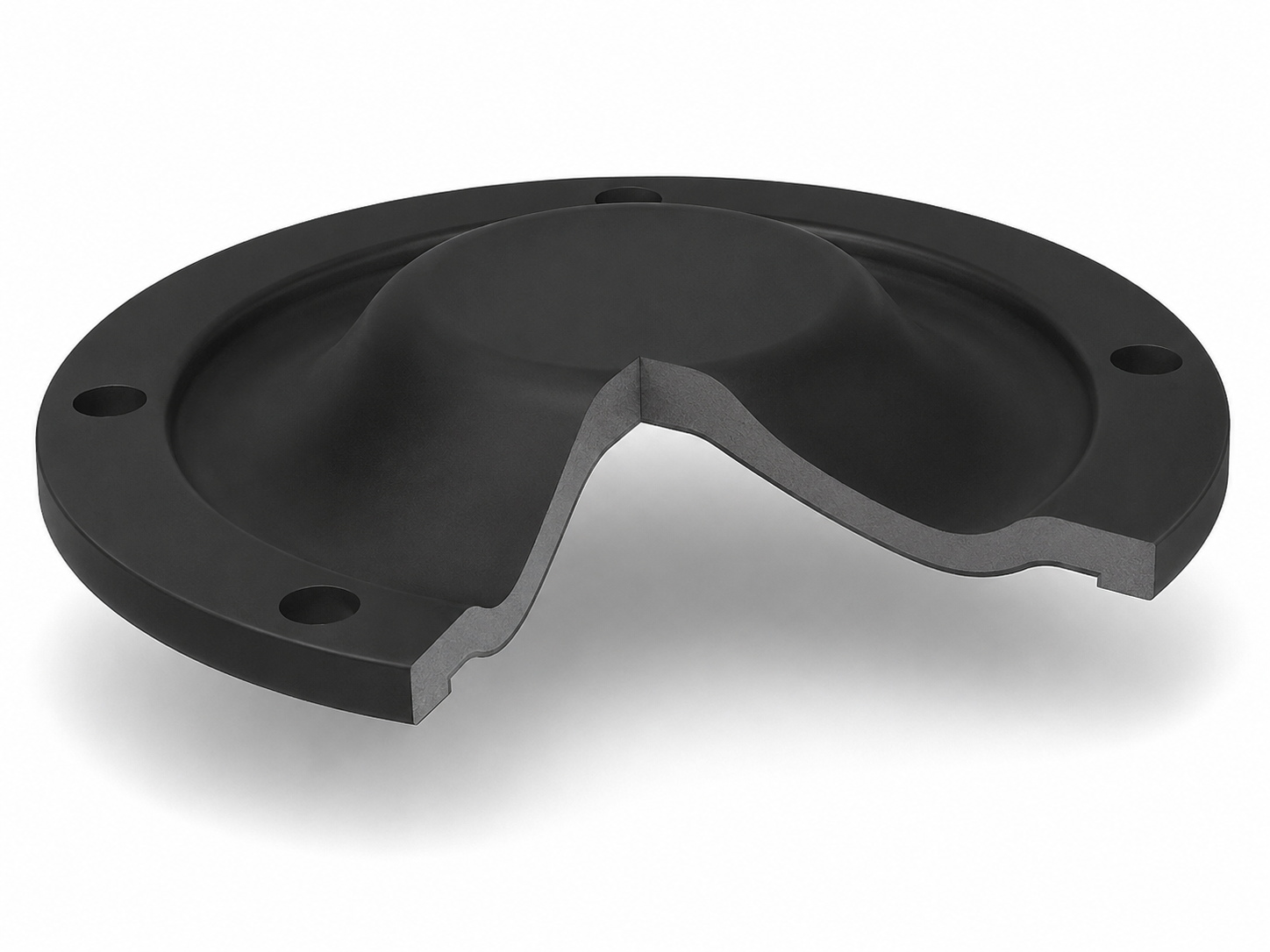
Typical Rubber Moulded Parts
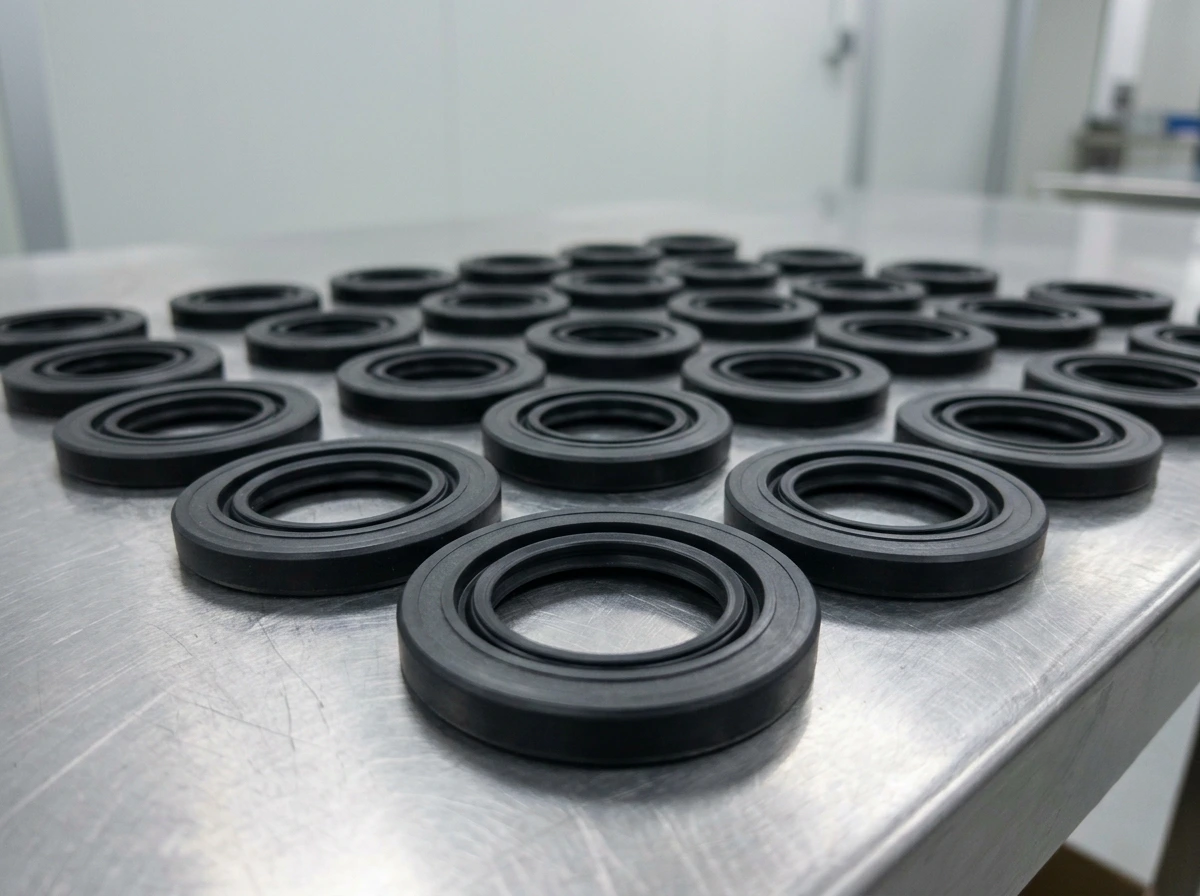
The examples listed represent common rubber-moulded components used for sealing, vibration control, protection and controlled movement. Material compound, hardness, geometry, tolerances and inspection requirements are defined according to operating temperature, media exposure, load conditions and production volume.
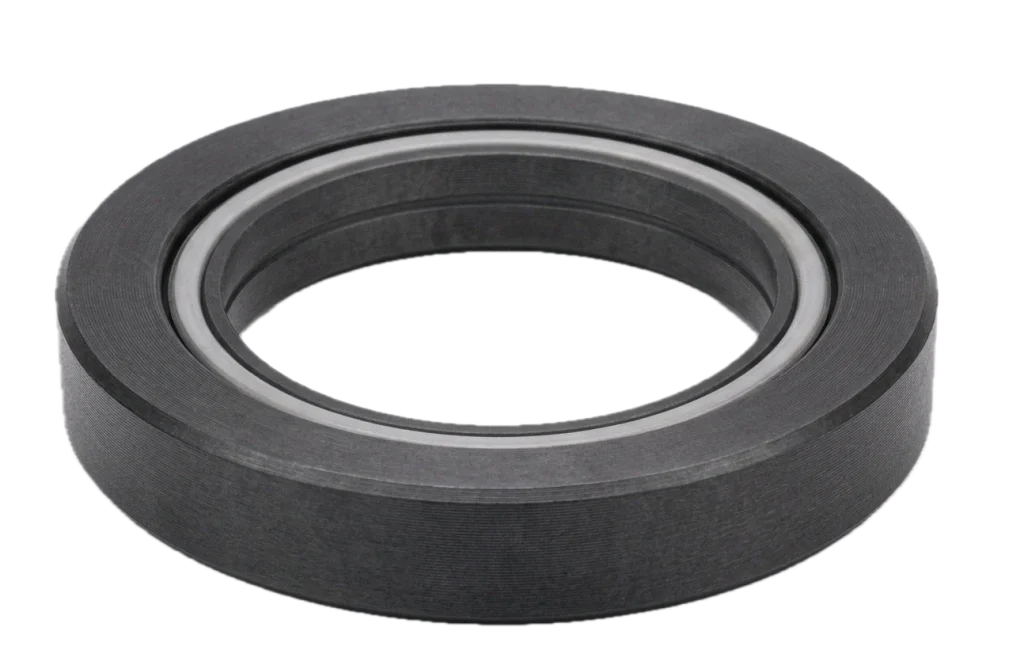
- Seals, Gaskets And O-Rings
- Diaphragms And Flexible Membranes
- Bellows, Boots And Dust Covers
- Bushings, Mounts And Vibration Isolators
- Grommets, Plugs And Protective Caps
- Rubber-To-Metal Bonded Components
Materials and Production Options
Rubber compound, tooling and production requirements are reviewed together because elastomer behaviour, part geometry, hardness, cure conditions, service environment and volume affect mould design and process setup. Stepstone coordinates compound and tooling review, sampling, production and any required post-moulding operations.
Common Materials For Rubber Moulding
Natural rubber provides high resilience, tensile strength, tear resistance and fatigue resistance. It is commonly considered for vibration-control components, flexible diaphragms and mechanically loaded parts, but is generally unsuitable for prolonged exposure to oils, fuels, ozone or high temperatures.
NBR offers good resistance to mineral oils, fuels and abrasion and is widely used for seals, gaskets, diaphragms and protective components. Compound grade is selected according to fluid compatibility, temperature range and flexibility requirements.
EPDM is suited to outdoor exposure, ozone, weathering, hot water and steam. It is commonly used for seals, gaskets, boots and diaphragms but is generally not selected for petroleum oils and fuels.
Silicone rubber retains flexibility across a broad temperature range and offers good weathering and electrical-insulation properties. It is used for seals, diaphragms and components with thermal or cleanliness requirements; any required material approvals must be specified.
FKM offers high-temperature performance and resistance to many oils, fuels and chemicals. The exact grade must be matched to the operating fluid, temperature range and low-temperature flexibility requirements.
CR provides a balanced combination of weathering, ozone, moderate oil and flame resistance. It is used for boots, bellows, gaskets and general protective components.
SBR provides good abrasion resistance and toughness for general mechanical applications such as buffers, gaskets and protective parts. It is not normally selected where oil, fuel or ozone resistance is critical.
Tooling and Post-Moulding Operations
Tooling and Mould Preparation
New mould projects are reviewed according to the selected rubber compound, moulding method, part geometry and expected production volume. Compound shrinkage and curing behaviour, cavity layout, mould heating, venting, parting lines, flash limits and demoulding requirements are considered during tool development.
Customer-owned moulds can be considered subject to an assessment of cavity and parting-surface condition, heating and venting arrangements, machine compatibility, available documentation and any maintenance or modification requirements. Mould trials are required to confirm compatibility with the specified compound and part requirements.
Mould trials are used to establish suitable filling, curing and demoulding conditions and to evaluate flash, shrinkage, hardness, surface condition and critical dimensions. Approved samples and agreed inspection criteria form the basis for production release.
Polished, textured or otherwise specified mould surfaces can be coordinated according to the functional and visual requirements of the component. Sealing surfaces, contact areas, texture references, gloss level and other controlled surface zones should be identified in the project documentation.
Finishing and Secondary Operations
Residual flash is removed using a method appropriate to the rubber compound, part geometry, tolerances and surface requirements. Manual, mechanical or cryogenic deflashing may be considered where technically suitable, with particular care given to sealing edges and other critical surfaces.
Some rubber compounds and applications require a controlled post-curing cycle after moulding to complete specified material properties, reduce residual volatiles or meet performance requirements. Post-curing conditions are determined by the compound specification and part requirements and are not applied universally.
Compatible surface treatments or lubricants may be applied to reduce friction, prevent sticking, support assembly or improve wear behaviour. The treatment type, application area, operating media, cleanliness requirements and compatibility with the rubber compound should be defined before production.
Where required, moulded rubber parts can be assembled with springs, retainers, housings or other mating components. Assembly method, component supply, orientation and verification requirements should be defined in the project documentation.
Quality and Inspection Coordination
Stepstone coordinates rubber moulding projects from technical and tooling review through sampling, production, inspection and shipment, ensuring quality requirements align with rubber compound, component function, moulding method and agreed acceptance criteria.
Pre-Production Quality Review
- Technical drawings, 3D data and revision status
- Material grade, colour, additives and certification requirements
- Critical dimensions, tolerances and cosmetic surfaces
- Sampling, inspection scope and acceptance criteria
Project and Manufacturing Coordination
- Mould trial and sample approval status
- Quotation, tooling, mould trials and production follow-up
- Project-specific inspection and documentation requirements
- Shipment coordination through a single point of contact
A Smarter Approach To Manufacturing Projects
Broad Manufacturing Expertise
Through a carefully selected network of manufacturing specialists, we deliver the capabilities needed for complex industrial projects—from individual components to fully integrated production solutions.
One Partner For Every Manufacturing Need
From engineering review and supplier selection to production, quality assurance, and logistics, we manage the entire manufacturing process through a single point of contact.
Built Around Reliability
Every project is managed with a focus on quality, transparency, and delivery performance. From the first inquiry to final shipment, we take responsibility for keeping production under control.
What To Include In Your RFQ
To evaluate your rubber moulding project efficiently, please provide the available technical, tooling and commercial information with your request. Complete documentation helps us review mould requirements, production planning, inspection scope and project timing more accurately.
Technical Drawings And 3D Models
Provide available 2D drawings and 3D CAD files with dimensions, tolerances and revision status. Clearly identified part geometry supports mould and manufacturability review.
Material And Colour Requirements
Specify rubber type, compound grade, hardness (scale/value), colour, and required certifications or compliance standards. Include operating temperature, contact media, outdoor exposure, and other service conditions affecting selection.
Quantities And Delivery Schedule
Include initial sample quantities, order quantities, annual demand and target delivery dates. Volume information influences cavity count, mould construction, production planning and quotation scope.
Part And Surface Requirements
Identify critical dimensions, sealing/contact surfaces, flash limits, parting-line restrictions, and surface/texture requirements. Include compression, deflection, load, vibration, leakage, abrasion, or durability needs.
Tooling Status And Requirements
Indicate whether a new mould is required or an existing customer-owned mould will be used. For existing tooling, provide drawings, dimensions, cavity count, machine interface details and condition records.
Quality And Sample Approval Requirements
Define sample approval, inspection reports, material certificates, traceability, capability studies or other acceptance criteria. These requirements should be agreed before mould approval and production release.
Discuss Your Rubber Moulding Project
Share your drawings, rubber compound or operating requirements, tooling status and expected quantities to begin a technical review. Stepstone reviews the available documentation and coordinates quotation, mould trials, sampling, production, inspection and delivery.
One Partner. Full Technical Accountability.
CNC Milling Services
CNC Turning Services

Surface Treatments
Sheet Metal Assemblies
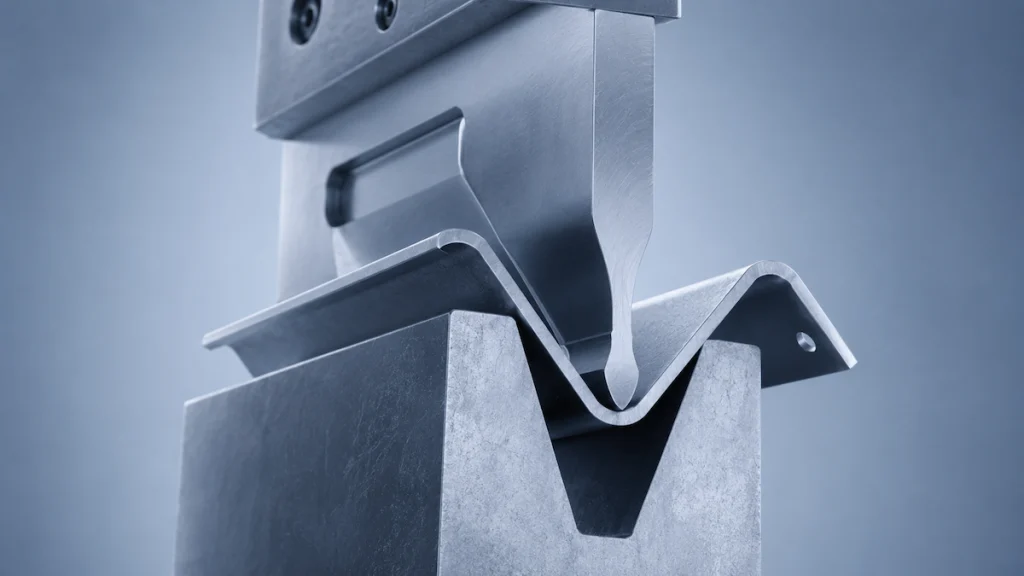
Bending Services