CNC Machining Services

Supplying a wide range of CNC machining capabilities from aluminum and steel - stainless steel to engineering plastics and specialty alloys, we deliver precision-machined components with tight tolerances and consistent quality.
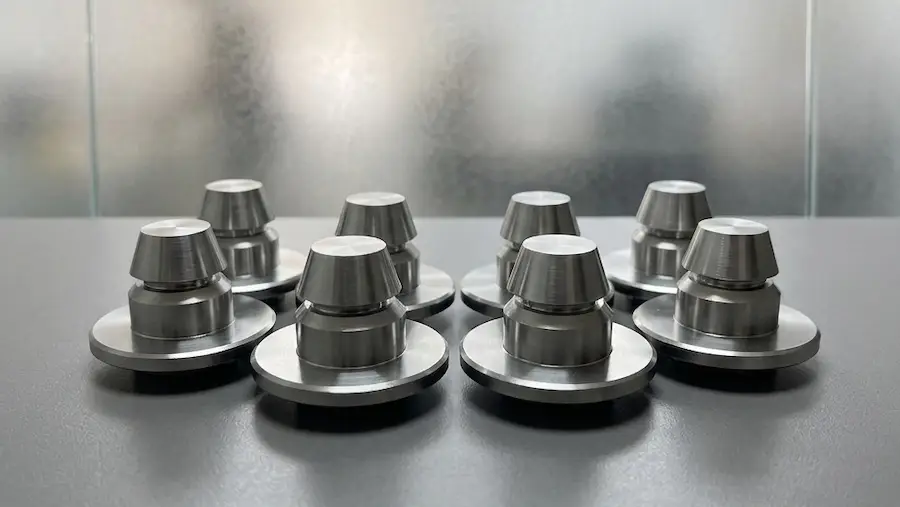
Precision CNC machined stainless steel component

A Smarter Approach To Manufacturing Projects

Broad Manufacturing Expertise

Through a carefully selected network of manufacturing specialists, we deliver the capabilities needed for complex industrial projects—from individual components to fully integrated production solutions.

One Partner For Every Manufacturing Need

From engineering review and supplier selection to production, quality assurance, and logistics, we manage the entire manufacturing process through a single point of contact.

Built Around Reliability

Every project is managed with a focus on quality, transparency, and delivery performance. From the first inquiry to final shipment, we take responsibility for keeping production under control.

CNC Machining Services Through a Manufacturing Integration Partner
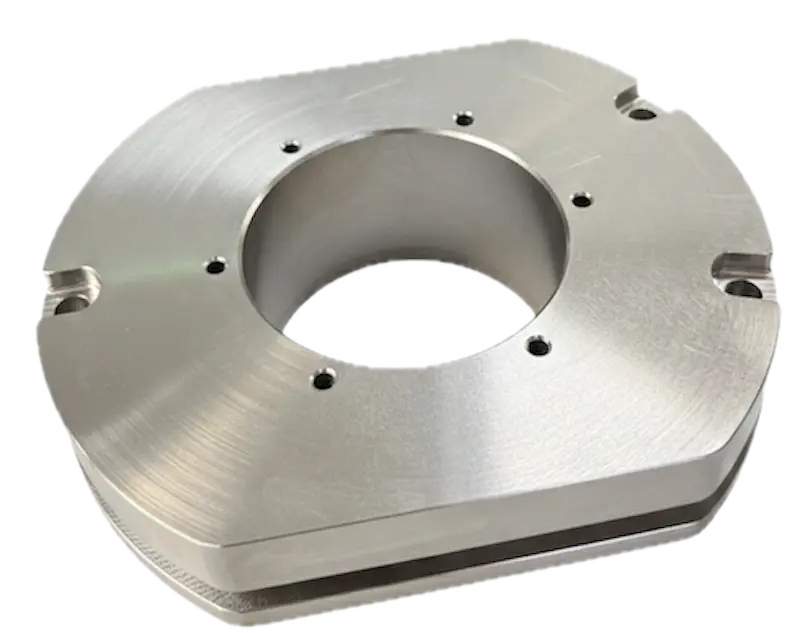
Stepstone coordinates CNC machining projects through a trusted manufacturing network, matching each requirement with the right machining capability, material expertise and quality control process.

From prototypes to production parts, we manage supplier selection, quotation, production follow-up, inspection and shipment through a single point of contact, helping industrial buyers reduce complexity and keep projects under control.

CNC Machining

As your trusted partner for professional CNC machining, we deliver custom, individual components with absolute speed, precision, and flexibility. We connect your requirements with the most suitable machining capabilities, ensuring optimal quality, lead times, and cost efficiency.

Whether you require a single prototype or ongoing production volumes, we manage sourcing, production, inspection, and delivery through one dedicated point of responsibility, providing a seamless manufacturing experience from start to finish.

CNC Milling
+

CNC milling enables the precise machining of metal and plastic components, ranging from simple parts to highly complex geometries. Features with wall thicknesses from 0.2 mm and tolerances up to ±0.01 mm can be achieved, depending on material selection, geometry, and manufacturing requirements.

Suitable for both prototypes and production volumes, CNC milling supports a wide variety of materials and technical specifications while maintaining consistent quality and repeatability. This makes it a reliable solution for demanding industrial applications across a wide range of industries.

Learn More
CNC Turning
+

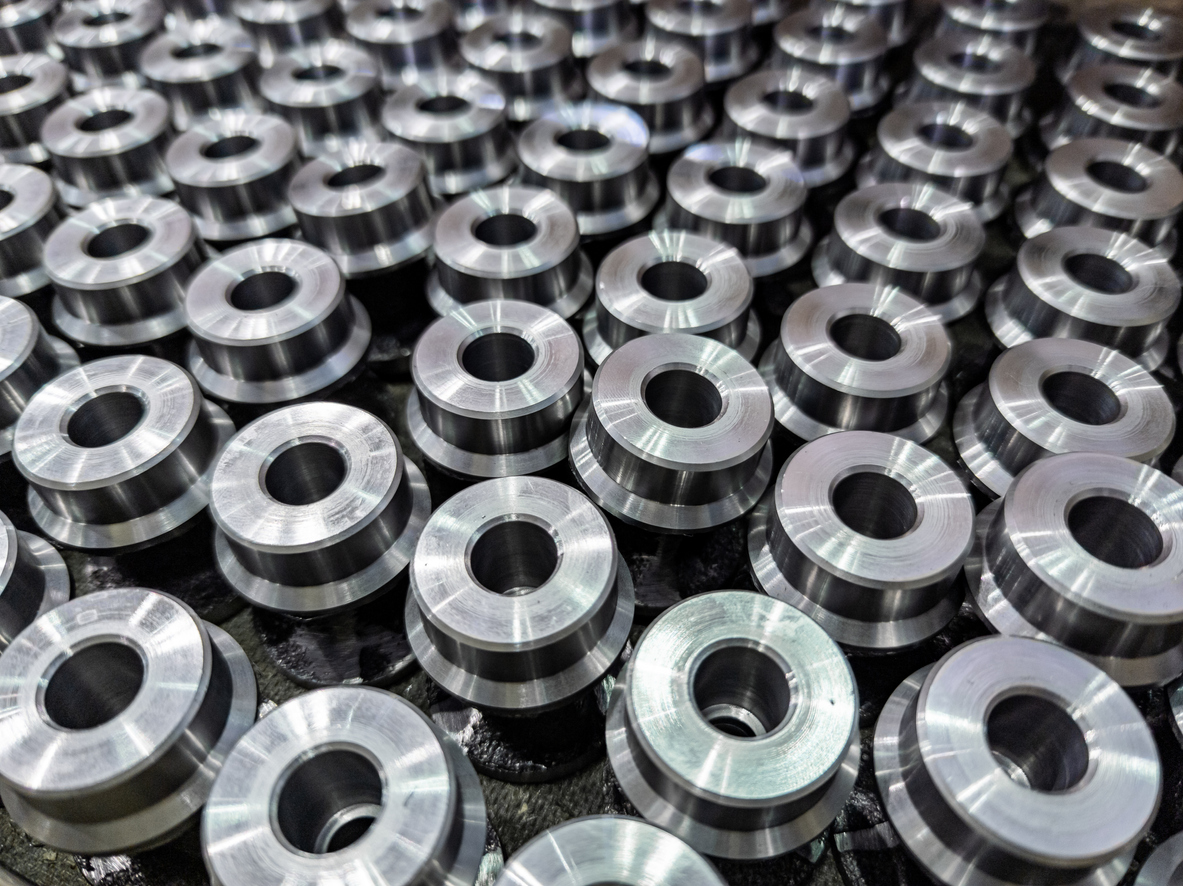
CNC turning is a precision manufacturing process used for producing rotationally symmetrical components such as shafts, axles, bushes, and flanges. The process enables high dimensional accuracy and consistent surface quality, with tolerances of up to ±0.01 mm depending on material and geometry.

CNC turning allows efficient machining of a wide range of metals and engineering plastics. Its high repeatability and process stability make it ideal for components that require precise concentricity and reliable performance in demanding industrial applications.
Learn More
Featured Image

Surface Treatment Process

Producing high-quality CNC components involves more than precision machining alone—post-processing plays a critical role in performance and durability. Appropriate surface finishing improves wear resistance, protects against corrosion, enhances mechanical properties, and ensures a consistent, high-quality appearance. Depending on the application, processes such as hardening, anodizing, powder coating, or blasting can be applied.

CNC manufacturing solutions that Stepstone offers including machining and surface treatment, through a single coordinated process. This approach reduces handling effort, shortens lead times, and improves overall efficiency. The result is installation-ready components precisely matched to your material and application requirements.

Surface Treatments for CNC Machined Parts

+Heat Treatment
  • Hardening
  • Quenching and Tempering
  • Case Hardening
  • Nitriding
Learn More
+Electroplating
  • Anodizing
  • Galvanizing (Zinc Plating)
  • Black Oxide
  • Nickel Plating
  • Passivating
  • Zinc Coating
Learn More
+Mechanical Process
  • Polishing
  • Grinding
  • Part Marking
  • Sandblasting
Learn More
Featured Image

Material for CNC Machining

Material selection is a critical factor in professional CNC machining, directly influencing the performance, durability, and appearance of the final component. We manufacture precision CNC parts from a wide range of materials, including steel, aluminium, and various engineering plastics, ensuring the right balance between mechanical and functional requirements.

The most commonly used materials

+Aluminium

Aluminum is one of the most widely used materials in CNC machining due to its excellent strength-to-weight ratio, corrosion resistance, and machining performance. Its versatility makes it suitable for a broad range of applications, from lightweight structural components to precision-engineered industrial parts.

The material can be machined efficiently while maintaining tight tolerances and high-quality surface finishes. Depending on the selected alloy, aluminum also offers good thermal conductivity, dimensional stability, and mechanical strength. These characteristics make it an ideal choice for applications where low weight, durability, and cost-effective production are essential.

+Stainless Steel

Stainless steel is widely used in CNC machining due to its balanced combination of machinability, structural strength, and material consistency. It can be processed into complex geometries while maintaining stable mechanical properties, making it suitable for a broad range of industrial applications. Depending on the grade, it also offers good formability and weldability, allowing flexible adaptation to different design and production requirements.

One of its key advantages is its excellent resistance to corrosion, which makes stainless steel ideal for demanding environments and long-life components. 

+Alloy Steel

Steel alloys are among the most widely used materials in CNC machining due to their excellent combination of strength, toughness, and durability. Depending on the alloy composition and heat treatment condition, steel can provide high tensile strength, wear resistance, and reliable performance under demanding mechanical loads. These properties make steel alloys suitable for components used in machinery, industrial equipment, automotive systems, and tooling applications.

The CNC machining of steel enables the production of highly precise and dimensionally stable parts with tight tolerances and excellent repeatability. While steel generally requires greater cutting forces and generates more heat than softer materials, modern machining strategies allow complex geometries and high-quality surface finishes to be achieved efficiently. As a result, steel alloys remain a preferred choice for both prototype development and long-term production of critical industrial components.

+Mild Steel

Mild steel is one of the most commonly used materials in manufacturing due to its excellent balance of cost, machinability, and versatility. With a relatively low carbon content, it offers good ductility and formability, making it suitable for a wide range of machining, welding, and fabrication applications. These characteristics make mild steel a popular choice for structural components, industrial equipment, fixtures, and general engineering parts.

In CNC machining, mild steel provides reliable dimensional stability and consistent machining performance. The material can be processed efficiently into complex geometries while maintaining good surface quality and tight tolerances. Its combination of affordability, ease of manufacturing, and broad industrial applicability makes mild steel an ideal solution for both prototype development and series production.

+Plastics

Engineering plastics offer a broad spectrum of mechanical, thermal, and chemical properties, making them highly adaptable for CNC machining applications. Depending on the material type, plastics can range from rigid and wear-resistant to transparent and dimensionally stable, while generally maintaining low weight, electrical insulation, and good chemical resistance.

CNC machining of plastics is widely used in industries such as medical technology, electronics, automotive engineering. The process enables fast material removal with low tool wear, making it an efficient and cost-effective solution for both single parts and large production runs. However, many plastics have low thermal resistance, which requires careful control of cutting parameters and heat generation to avoid deformation and ensure dimensional accuracy.

+Brass

Brass is a copper-based alloy primarily composed of copper and zinc, offering a unique combination of good mechanical strength, corrosion resistance, and excellent machinability. Depending on its composition, brass can provide a visually appealing gold-like appearance along with stable performance in a wide range of environmental conditions.

It is widely valued for its exceptional cutting performance, allowing high feed rates, short cycle times, and minimal tool wear. This makes it a cost-effective material for producing complex precision components with excellent surface finishes. It is commonly used in fittings, valves, electrical components, and fine mechanical systems where accuracy and reliability are critical.

+Copper

Copper is a highly conductive metal known for its excellent electrical and thermal performance, good corrosion resistance, and high ductility. Its distinctive reddish-orange appearance makes it easily recognizable, and over time it naturally develops a protective patina layer that enhances its resistance to environmental conditions.

In CNC machining, copper is widely used in electrical engineering, energy systems, and thermal management applications such as electrodes, busbars, and heat exchangers. Due to its softness and tendency to deform, machining copper requires sharp cutting tools, stable fixturing, and efficient chip evacuation to maintain accuracy and surface quality. Despite these challenges, copper enables the production of highly functional precision components where conductivity and performance are critical.

Why Partner With Stepstone

Fast and Reliable Delivery

We support rapid product development with short lead times for both prototypes and production parts, helping you iterate designs efficiently and keep projects on schedule.

Manufacturing Analysis

After receiving your 3D CAD data, we review the design for manufacturability and identify potential production challenges such as thin walls, deep cavities, or non-standard threads before quoting.

Scalable Manufacturing Capacity

Through our integrated production network, we provide flexible on-demand capacity that helps reduce bottlenecks and supports both low- and high-volume requirements without internal constraints.

Wide Material Selection

We offer access to a broad range of engineering plastics and metals, including ABS, PA (Nylon), PC, PEEK, aluminum, stainless steel, copper, and other industrial-grade materials.

Extended Manufacturing Capabilities

Our supplier network enables access to advanced production options such as tighter tolerances, cost-efficient scaling, and a variety of surface finishes including anodizing, powder coating, blasting, and custom

Custom CNC turned metal components for industrial applications